
- Chennai
- Tamil Nadu
- India
- World
- EntertainmentEntertainment
- Business
- Sports
- Lifestyle
- Technology
- Videos
- Explainers
- Editor's Picks

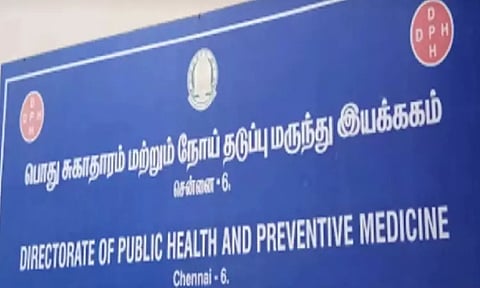
CHENNAI: As Tamil Nadu braces for heavy to very heavy rainfall during the ongoing North-East Monsoon, the Directorate of Public Health and Preventive Medicine (DPHPM) has placed all health facilities across flood-prone districts on high alert and instructed them to enhance facility-level preparedness to prevent disease outbreaks and ensure uninterrupted medical services.
Citing the Indian Meteorological Department’s forecast and recent advisories, the Directorate has warned of a likely surge in acute diarrhoeal diseases, leptospirosis, dengue, scrub typhus, and influenza-like illnesses during the rainy season.
Accordingly, all District Health Officers (DHOs), Chief Health Officers (CHOs), and Municipal Health Officers (MHOs) have been directed to implement stringent safety and disease-prevention measures in low-lying and waterlogged areas.
The circular mandates that essential medicines, consumables, and medical equipment be safely stored on higher floors to avoid flood damage. In-patients in vulnerable facilities are to be relocated to safer buildings, while electrical installations, generators, and oxygen systems must be protected from water ingress with a minimum 72-hour fuel reserve maintained for continuous operation.
Hospitals have also been instructed to check and clear water drainage systems, chlorinate overhead tanks, and ensure adequate drinking water storage. Dedicated fever wards with mosquito-proofing, enhanced bed capacity, and round-the-clock medical staff at all 24x7 PHCs have been made mandatory.
To combat mosquito-borne illnesses, the Directorate has ordered intensified vector control drives, including source reduction, larval surveillance, and fogging in flood-prone zones. Schools and public institutions are to be kept mosquito-free in coordination with local bodies.
DHOs have been told to conduct mock drills, maintain readiness plans for emergency patient transfers, and ensure the continuous availability of oxygen, IV fluids, and epidemic-essential drugs like doxycycline and cotrimoxazole.
The advisory also calls for special fever camps, enhanced surveillance through the IDSP-IHIP portal, and Nilavembu Kudineer and ORS distribution units at all facilities.
Reiterating the State’s proactive stance, Dr A Somasundaram, director, DPH, said, “All districts must implement preventive measures promptly to avoid disease outbreaks and maintain uninterrupted health services throughout the northeast monsoon.”