
- Chennai
- Tamil Nadu
- India
- World
- EntertainmentEntertainment
- Business
- Sports
- Lifestyle
- Technology
- Videos
- Explainers
- Editor's Picks
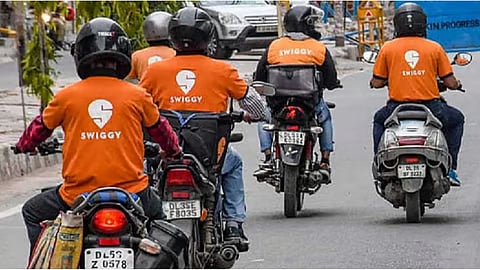
CHENNAI: Imagine, Ravi Singh, a 38-year-old fast-commerce delivery executive, is riding to deliver an order at 3 PM when the sun is at its peak. With a temperature of nearly 42 degree Celsius, he has been continuously delivering orders since 12 PM.
His head starts spinning, he loses control of his bike and bumps into a tree. He gets unconscious along with major injuries.
He gets hospitalized, and his medical bill is worth Rs 72,000. Without private health insurance, it could cost a few months’ savings, along with a loss of compensation for the hospitalized days. Unfortunately, this story is a harsh reality for many gig workers – people working on independent contracts, such as delivery executives and cab drivers.
Where Does the Problem Lie for Gig Workers?
For independent contract workers, especially quick commerce workers, income fluctuates widely depending on demand and incentives. Since their monthly earnings are not fixed and the pay-per-order rate is low, it is difficult for gig workers to create an effective financial safety plan.
Moreover, unlike salaried employees, companies are not even obliged to provide amenities like paid leave or health insurance to gig workers. For them, a medical emergency means bearing the loss of pay along with the treatment cost.
Even if some companies provide medical coverage for quick commerce riders, the amount is usually limited up to Rs 1 lakh and may have additional restrictions. Some companies link it to the rider’s performance.
This means that if a rider is unable to work for some continuous period of time and is unable to meet their targets, their overall performance level can dip, and they may lose coverage benefits.
Hence, in a medical emergency, a gig worker:
● Will have to go on unpaid leaves
● Will have no or extremely limited employer medical coverage
● Can lose their earnings of months in a single medical treatment
● Shall lose incentives as these are linked to targets
● Can lose some benefits if linked to their working hours or targets
The Rising Cost of Healthcare in India Medical inflation is rising year by year.
The rising healthcare costs in India are a concern for everyone, especially those from economically weaker sections or who do not have medical insurance coverage.
● A hospitalization for pneumonia or dengue can cost between ₹50,000 to ₹ 2 lakh
● Minor surgeries can cost between ₹2 lakh to ₹4 lakh
● ICU admission for one day can range, on average, between ₹20,000 to ₹60,000
● Doctor consultation fees, medicines and diagnostic can make up to 30-40% of the medical bill In fact, the cost of treatment is even higher in urban areas.
A 2-day hospitalization due to illness can cost up to ₹ 1 lakh, and a minor surgery can cost between ₹4 lakh and ₹6 lakh in a metropolitan city’s hospital.
Hence, it becomes all the more important for gig workers in urban areas to ensure financial protection in a medical crisis.
How Private Health Insurance Helps Gig Workers?
Health insurance in India allows gig workers to get comprehensive financial protection, providing them with support when they need it the most.
Since private health insurance is not linked to their performance, unpaid leaves do not result in loss of insurance benefits.
Health insurance plans are now quite affordable and deliver more value for money than using savings or retirement funds.
A gig worker (aged between 35-45 years and without any pre- existing condition) can get a health insurance coverage of ₹10 lakh at just an amount of ₹600- ₹1,600 a month.
Health insurance covers the cost of the following:
● In-patient hospitalization
● Pre-hospitalization
● Post-hospitalization
● Day care procedures
● AYUSH treatment
● Modern treatments
● Ambulance charges
● Preventive health check-ups
● OPD coverage
● Maternity cover By comparing health insurance plans on online portals like Policybazaar.com, you can find the right plan that fits your medical requirements as well as your budget.
Their customer support is available 24/7 to help you better understand policy coverage, exclusions and terms.
There is also an option to book a free home visit if you prefer in-person detailing.
How Much Medical Coverage do Gig Workers Require?
The amount of health coverage required by gig workers largely depends on their service location.
For Gig Workers in Metropolitan Areas Someone who is working in a metropolitan city, like Delhi, Bangalore or Mumbai, needs a high coverage amount as even a single hospitalization can cause a big hole in their pockets.
Quick commerce has become a regular routine for people in metropolitan areas, implying the riders here usually get more orders to deliver and have to ride more, making them more vulnerable to driving-related injuries.
Moreover, metropolitan cities often have more air and water pollution, global warming effects, adulterated food and access to toxic chemicals. Exposure to all these can add to the chances of a person falling sick or developing a chronic health issue.
They must aim for a health insurance policy ranging between ₹8 lakh and ₹20 lakh to ensure they can get treatment for major illnesses at a quality healthcare facility, without any second thought.
For Gig Workers in Tier-2 Cities or Below
For people riding in tier-2 cities or rural areas, the delivery frequency is relatively lower.
The cost of medical treatment is also lower in these areas. Hence, gig workers here do not need a very big amount for medical coverage. A health insurance plan of approximately ₹10 lakh is sufficient for them.
Final Thoughts: Health Insurance as a Safety Net for Gig Workers
A gig worker does not know how chronic back pain or continuous exposure to scorching sun in the summer can lead to long-term hospitalization. Without private health insurance, this means not only losing their daily earnings, but also having to bear high treatment costs, which can leave them short of the money they have been saving for months.
As the gig economy in India is expected to rise manifold in the coming years, it is important for people working in this industry to build a financial protection system, especially if their employer provides no or limited medical coverage. Buying a private health insurance plan allows gig workers to reduce their out-of-pocket expenses and get medical treatment without worrying about finances much, creating a financial safety net for them and their families.
