

Moral contradictions: Colourful sex lives of Presbyterians in 18th-cen Ulster
As the Ordnance Survey Memoirs Observer for Rashee parish in County Antrim noted in 1835, while the Presbyterians of the north of Ireland “unhesitatingly” claimed “extreme morality,” they were “not the pious race so generally imagined.”
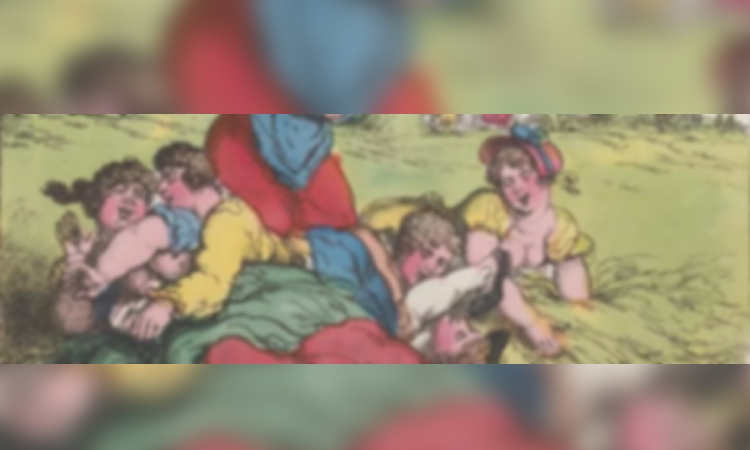
In the 18th and 19th centuries, Presbyterians from Ulster in Northern Ireland had a somewhat surprising reputation for being especially – if not excessively – concerned with sex.
As the Ordnance Survey Memoirs Observer for Rashee parish in County Antrim noted in 1835, while the Presbyterians of the north of Ireland “unhesitatingly” claimed “extreme morality,” they were “not the pious race so generally imagined.”
The records of the Presbyterian church reveal a community with a vibrant sexual culture – but one also strictly policed. This tension between piety and promiscuity is at the heart of my new book, Pious and Promiscuous: Life, Love and Family in Presbyterian Ulster – which uncovers the personal stories that shaped family life in 18th- and 19th-century Ulster.
The church regulated the intimate lives of its members through a rigorous system of discipline. Any misbehaving member could be summoned before the Kirk Session – the church’s local court – for offences ranging from drunkenness and slander to skipping Sabbath services. But it was sexual misbehaviour that filled the majority of cases.
Of the 375 cases heard by First Dromara Kirk Session in County Down between 1780 and 1805, 230 involved sexual misconduct. More than half of all cases before the Carnmoney Kirk Session in County Antrim between 1786 and 1821 were similarly sexual in nature.
These “offences” included fornication (sex between unmarried partners), adultery, and “scandalous carriage” – intimate acts short of intercourse, such as kissing or fondling. Even behaviour that suggested sex had taken place could provoke censure. Couples who met privately or were found in compromising circumstances were often summoned.
One such case concerned John Woodend, a married man and member of the Aghadowey congregation in County Londonderry. In October 1704, he was admonished after being seen lying “in naked bed” with his servant maid, Margaret. A witness, John Boil, reported seeing the pair together before Woodend rose and began “pulling on his clothes.” Since Woodend’s wife was also in the room, sitting by the bed, the session ruled adultery unlikely – but still censured him for “unseemly carriage.”
The sheer number of sexual cases might suggest a permissive culture, yet the reality was far more complex. Presbyterians were not lax in their sexual morality; rather, sexual relations were often entwined with rituals of courtship and marriage.
Many Ulster Presbyterians practised a form of “marriage by promise,” or verba de futuro – a pledge to marry in the future, sealed with sexual intercourse.
Benjamin Green and Elizabeth Bell of Cahans Presbyterian Church in County Monaghan admitted in 1753 that they had secretly promised to marry and then confirmed their vows through sex. Similarly, Margaret Cunningham told her Kirk Session that she and Robert Jackson exchanged vows one Friday and “bedded” together the following Monday. For such couples, sex was not sin, but an expression of commitment destined for formal marriage.
The Presbyterian archives offer a vivid glimpse into Ulster’s intimate past. They reveal how individuals both upheld and bent the moral codes of their time – demonstrating that Presbyterians were as human as they were devout. Their lives remind us that even in the most disciplined communities, desire was never far from faith.