
- Chennai
- Tamil Nadu
- India
- World
- EntertainmentEntertainment
- Business
- Sports
- Lifestyle
- Technology
- Videos
- Explainers
- Editor's Picks
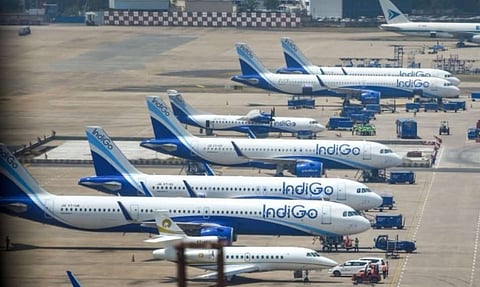
The erratic on-time performance and subsequent mass flight cancellation by IndiGo have exposed the systemic flaws and vulnerabilities developed in recent years. The immediate reasons could be the new pilot duty rules, but there are macro issues concerning the domination of one airline company, which commands nearly 60% of the market and how its problems could disrupt its own network but also bring the whole ecosystem to a standstill. The situation was so disastrous at many levels, and the urgency was such that the issue was raised in the Parliament, and the government had to give assurances that it was looking into the matter. Given the public backlash, the Ministry of Civil Aviation sprung into action to announce post-haste a slew of measures, including a one-time exemption of the rule relating to Flight Duty Time Limitations (FDTL), to enable restoration of services and stabilisation of operations.
A closer look at the sequence of events reveals that the increase in weekly rest hours for flight crews came into effect in July 2025, and three months later, a stricter FDTL was implemented. The airline should have known how these rules would plunge the airline into a crisis. There is no point in trying to speculate why IndiGo did not take steps to prevent the crisis or whether it willfully let the situation deteriorate into the present crisis. Now the beleaguered airline is offering to reduce its flight operations as a way out of the present cul-de-sac.
However, there are several elephants in the room. In some critical sectors like aviation and telecom, the government either turned a blind eye or overtly encouraged one or two large players to corner disproportionately huge market share and thrive in duopoly or nearly monopoly markets. IndiGo immensely benefited from such a dominant position in the low-cost carrier business and scripted a much-celebrated success story. What seemed to be its strength and reason for success eventually proved to be its Achilles Heel. In corporate jargon, it is called cost efficiency or squeezing the most out of everything. Be it utilisation of the fleet or leveraging human resources, especially pilots and crew. IndiGo appears to be seen botching it up despite being given two years to comply with the FTDL rules, that too in two phases. It could have utilised the window for hiring more pilots, especially when it is well-known that the industry faces a shortage of trained and experienced pilots. Moreover, it could have gradually shrunk its winter schedule to comply with the rules; instead, it had the audacity to increase the number of departures, surpassing its summer schedule. This is in stark contrast with the other company, which actually reduced the number of flights to comply with the FDTL rules.
Industry experts say some of the blame lies at the government’s door. It did not remain a mute witness as one airline after another sank, but it did not do enough. The bankruptcy and insolvency of a couple of airline companies forced the government to address some issues surrounding leasing and insolvency. The moot question is how to make airlines survive in a market where prices will be low, operational costs high, and industry subject to complex regulations. The government needs to be proactive and do more to foster and nurture competition by creating an enabling environment that makes the business viable.
