
Practice what you preach
Apart from the remuneration earned, influencers often get to keep the products they advertise online, sometimes in lieu of payment, which turned out to be a nifty barter system for many youngsters, who hadn’t yet fallen into the tax bracket.
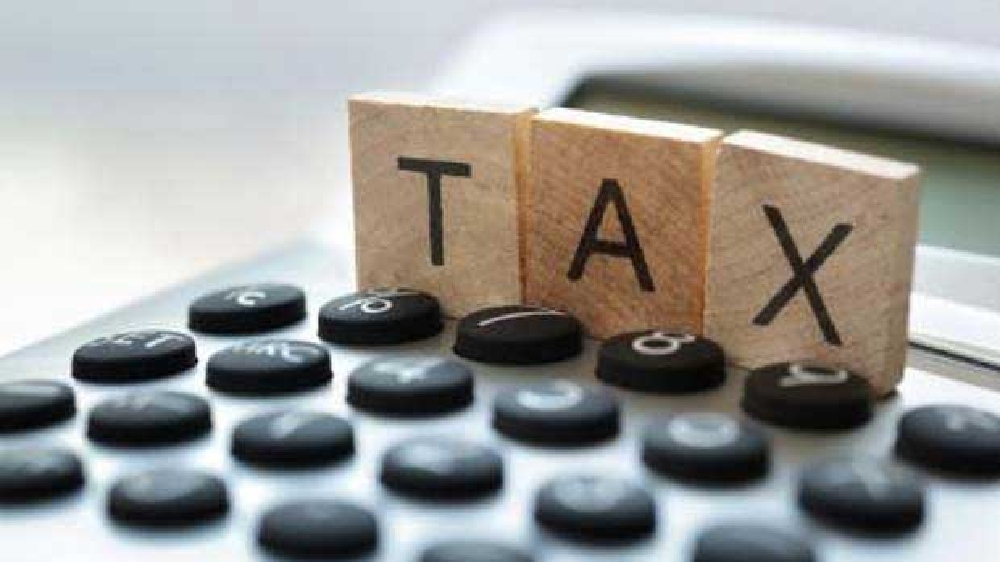
CHENNAI: The Income Tax department had declared sometime back that from July this year, influencers, doctors and commercial operators who receive free products from companies will have to pay taxes for receiving them. The Central Board of Direct Taxes in its guidelines notified that those receiving such benefits from enterprises will have to pay TDS at the rate of 10% under the new tax rules. Distribution of free samples by a company to a doctor will also fall under the ambit of TDS.
With followers in the range of 5,000 to even 1 million, social media influencers are the go-to option for companies keen on pitching their brands to a tech savvy generation of millennials. Apart from the remuneration earned, influencers often get to keep the products they advertise online, sometimes in lieu of payment, which turned out to be a nifty barter system for many youngsters, who hadn’t yet fallen into the tax bracket. The government has woken up to the prospect of widening the tax net and has brought in new legislation which will mandate that influencers cough up the requisite amount of tax towards the worth of the freebies received.
These perquisites can be either in the form of cash, kind, or both. However in case the product has been returned by the influencer after use, it would not be taxable. If the value of goods offered to the influencer does not exceed Rs 20,000 in a financial year, it does not need to be declared to the I-T dept. It may be noted that the Finance Act of 2022 had inserted a new clause 194R in the I-T Act 1961, which was highlighted during the Finance Minister’s Budget speech earlier this year.
The influencer ecosystem has significantly transformed over the past decade, which has piqued the curiosity of the government as yet another stream of tax revenue. The value of the global influencer market is pegged at about $13 bn and it’s expected to grow to $16 bn by the end of the year. The creator market in India is worth $120 mn, and it has evolved into a lynchpin of digital marketing for companies specialising in consumer durables, luxury items, food and beverage, hospitality, travel, tourism, entertainment.
The new regulations could do some good for the quality of products and their online endorsements. It places a sense of responsibility on influencers, as there is a monetary aspect involved. Just about 3% of consumers would consider buying a product if it has been promoted by a celebrity. But if it has been pushed by an influencer, the probability of closing the sale is 60%. Several consumers also believe that influencers should research and test the products or services that they pitch and refrain from advertising for products they would not use in real life.
Several influencers abroad have been called out for their anti-vaccination campaigns and commentaries which bordered on gross misinformation. The negative impacts of influencers on impressionable youngsters vis-a-vis their extreme dieting rituals, fitness routines, and body image have also been pain points. The reckless behaviour of an Indian influencer whose viral video of him smoking inside a dummy aircraft also made headlines this week.
Introducing taxation to the influencing ecosystem will ensure that influencers will be cautious about the products they associate with, as they will now have to pay for the same. The underlying message is a throwback to a simple axiom we had learnt as kids, practice what one preaches.
Visit news.dtnext.in to explore our interactive epaper!
Download the DT Next app for more exciting features!
Click here for iOS
Click here for Android