
- Chennai
- Tamil Nadu
- India
- World
- EntertainmentEntertainment
- Business
- Sports
- Lifestyle
- Technology
- Videos
- Explainers
- Editor's Picks
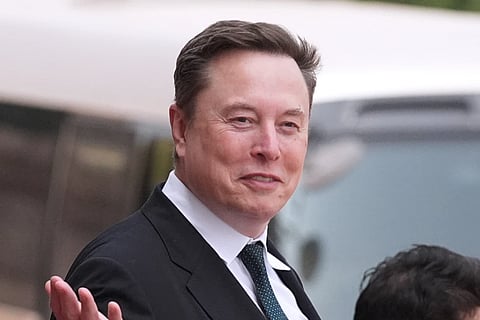
NEW YORK: SpaceX, Elon Musk’s rocket and artificial intelligence company, blasted through records as it began trading on the stock market Friday, making the world’s richest man its first trillionaire and signalling a new era of ultra-affluence and widening wealth inequality.
The stock opened at $150 per share, more than the price finalised in its initial public offering on Thursday at $135 a share. It rose further in the first few minutes of trading.
Musk’s net worth also reflects stock in his electric carmaker, Tesla, as well as ownership stakes in other ventures, including the brain implant company Neuralink and the tunneling firm the Boring Co.
Musk, 54, founded SpaceX in 2002, and has since revolutionised the space industry with partly-reusable rockets and with Starlink, a satellite internet offering that provides service to rural areas, airlines and the Ukrainian army. Earlier this year, SpaceX acquired xAI, Musk’s AI startup, which has built massive data centres, created a chatbot called Grok and also owns X, the social media company formerly known as Twitter.
Musk separately runs the electric car manufacturer Tesla and a handful of other startups.
SpaceX could pave the way for other enormous debuts, including by AI companies Anthropic and OpenAI, which both filed confidentially for IPOs this month. Both of those
startups have valuations approaching $1 trillion. The three offerings could unleash an avalanche of wealth across Silicon Valley and Wall Street, creating new corporate titans in the process. Earlier this year, Cerebras, an AI chipmaker, kicked off the expected wave of offerings and rose 68% on its first day of trading, becoming the largest public offering so far this year and the biggest of any technology firm since 2019.
