
- Chennai
- Tamil Nadu
- India
- World
- EntertainmentEntertainment
- Business
- Sports
- Lifestyle
- Technology
- Videos
- Explainers
- Editor's Picks

CHENNAI: Tamil Nadu could see gains from the Union Budget 2026–27 as its thrust on manufacturing, infrastructure and connectivity aligns with the State’s industrial base in electronics, semiconductors, leather and allied sectors, said the Confederation of Indian Industry (CII), welcoming the proposal on Saturday.
The budget, presented by Nirmala Sitharaman, places manufacturing, productivity, infrastructure and export competitiveness at the centre of its growth strategy, the industry body said.
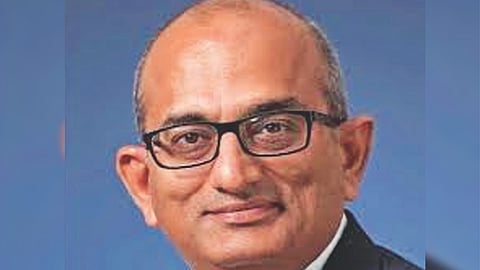
Describing the budget as growth-oriented at a CII Southern Region interaction in Chennai, P Ravichandran, Deputy Chairman of CII Southern Region, said infrastructure has been a consistent focus over the past few years. Announcements relating to high-speed rail, freight corridors and waterways are expected to strengthen connectivity, he said, adding that infrastructure spending also supports employment generation.
CII pointed to Semiconductor Mission 2.0 as signalling a renewed push for electronics manufacturing, with States such as Tamil Nadu, which already have an established base, better placed to move into higher-value segments of the supply chain.
High-value manufacturing sectors flagged in the budget, including electronics, electric vehicles, defence production, technical textiles, sports goods and leather, already have a strong presence in Tamil Nadu, CII noted, indicating scope for further industrial investment and employment.
On MSMEs, it said measures aimed at easing access to credit, encouraging technology adoption and strengthening skill development would have a direct bearing on Tamil Nadu, where small and medium enterprises dominate auto components, textiles, leather and light engineering.
CK Ranganathan, Past Chairman of CII Southern Region, said the budget emphasised value-added segments of the textile industry, which could benefit States such as Tamil Nadu, where textile manufacturing is concentrated.
Beyond the State, CII said the budget outlines a broader framework for southern India, combining manufacturing expansion with support for MSMEs, agriculture and skills, while maintaining fiscal discipline.
The Rs 12.2 lakh crore capital expenditure allocation was cited as a key driver of infrastructure-led growth, with spillover effects expected across construction, logistics and allied sectors in southern India.