
- Chennai
- Tamil Nadu
- India
- World
- EntertainmentEntertainment
- Business
- Sports
- Lifestyle
- Technology
- Videos
- Explainers
- Editor's Picks

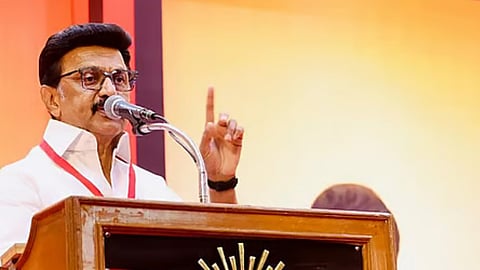
CHENNAI: DMK president MK Stalin has reiterated his demand for exempting states, including Tamil Nadu, from the NEET, asserting that the examination has failed to fulfil its promises of ensuring merit, reducing commercialisation and easing the burden on students.
In an article titled "NEET's promise has failed; it's time to trust states," Stalin said the recent nationwide protests over the alleged question paper leak reflected a deeper crisis of confidence in the examination system. He said Tamil Nadu had opposed NEET from the beginning because of its structural flaws rather than merely its conduct.
Stalin argued that instead of promoting merit, the National Eligibility cum Entrance Test had shifted the focus of learning from schools to coaching centres, placing rural students, government school students, first-generation learners and state board students at a disadvantage while benefiting those who could afford expensive coaching.
He also contended that NEET had failed to eliminate commercialisation, with the coaching industry flourishing into a multi-crore business and private medical colleges continuing to charge high tuition fees. He questioned the credibility of the merit argument, noting that qualifying percentiles for postgraduate and super-speciality admissions had repeatedly been lowered to fill seats in private institutions.
Referring to Tamil Nadu's stand, Stalin said the Justice AK Rajan Committee had concluded that NEET neither improved medical education nor ensured social justice. Based on its recommendations, the State Assembly had unanimously passed a Bill seeking exemption from NEET, but it did not receive approval.
He said states, which establish and fund medical colleges and maintain academic standards, should also have the authority to frame admission policies suited to their educational systems and social justice objectives. Calling for a review of the All India Quota, Stalin said the Union Government should consult states with an open mind and adopt a more federal approach to medical admissions instead of pursuing greater centralisation.