
- Chennai
- Tamil Nadu
- India
- World
- EntertainmentEntertainment
- Business
- Sports
- Lifestyle
- Technology
- Videos
- Explainers
- Editor's Picks

CHENNAI: With India’s vast production capacity, skilled manpower and improved traceability systems, the India-UK trade pact enables domestic exporters to seize a larger share of the UK market and diversify beyond traditional partners like the US and China, the government said on Saturday.
The Comprehensive Economic and Trade Agreement (CETA), signed in the presence of Prime Minister Narendra Modi and his UK counterpart Keir Starmer, marks a turning point for India’s Fisheries sector not just by offering duty-free access to a premium market but also by uplifting coastal livelihoods, enhancing industry revenues, and strengthening India’s reputation as a reliable supplier of high-quality, sustainable seafood.
The free trade agreement opens up huge opportunities for Tamil Nadu that has set an ambitious target of achieving Rs 42,745 crore (US$ 5 billion) worth of annual seafood exports. While India’s seafood exports rose by 3.71% from 1.754 million tonnes in FY23 to 1.819 million tonnes in FY24, Tamil Nadu, which has the second-largest coastline after Gujarat, contributed approximately 89,001 tonnes, or nearly 5% of the total.
“For fisherfolk, processors, and exporters alike, this is a unique opportunity to step onto a larger global stage. This agreement contributes meaningfully to India’s broader goal of becoming a global leader in sustainable marine trade,” said the Ministry of Fisheries, Animal Husbandry and Dairying in a statement.
Indian seafood now competes on par with countries like Vietnam and Singapore, which already benefit from FTAs with the UK (UK-VFTA) and UK-Singapore Free Trade Agreement (UK-SFTA), respectively. This levels the playing field and removes tariff disadvantages that Indian exporters previously faced, especially for high-value products like shrimp and value-added goods, said the ministry. CETA offers zero-duty access on 99% of tariff lines and opens up key services sectors.
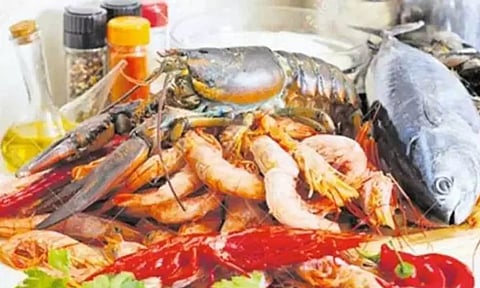
Notably, for the marine sector, the agreement removes import tariffs on a wide range of seafood products, enhancing Indian exporters’ competitiveness in the UK market. This is expected to particularly benefit exports of shrimp, frozen fish, and value-added marine products, boosting India’s presence in one of its major seafood destinations.