
- Chennai
- Tamil Nadu
- India
- World
- EntertainmentEntertainment
- Business
- Sports
- Lifestyle
- Technology
- Videos
- Explainers
- Editor's Picks

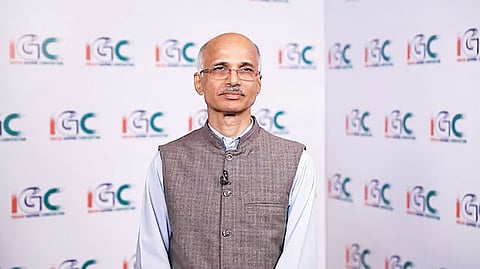
CHENNAI: Even as the Union government's Promotion and Regulation of Online Gaming Rules, 2026 came into force from May 1, the Tamil Nadu government's existing regulations will continue to operate in parallel, according to Md Nasimuddin, head of Tamil Nadu Online Gaming Authority (TNOGA).
"We have had separate rules and guidelines in place since 2023, and there are no changes as of now. If the Union rules are implemented, they may also have implications for the State, but currently our framework continues," Nasimuddin said.
Tamil Nadu had earlier established the Tamil Nadu Online Gaming Authority to regulate online gaming and enforce safeguards. Under the State rules, minors below 18 years are prohibited from participating in real-money online games, with a focus on curbing addiction and financial risks.
The Union government's rules, framed under the Promotion and Regulation of Online Gaming Act, 2025, similarly aim to protect users particularly children and vulnerable groups from harms associated with online money gaming, including addictive design and misleading claims of quick earnings.
We have had separate rules and guidelines in place since 2023, and there are no changes as of now
-- Md Nadimuddin, Chairman, TNOGA
However, officials noted that the penal provisions under the Union framework are significantly stricter. Offering or facilitating online money games can result in imprisonment of up to three years and fines of up to Rs 1 crore, while financial transactions linked to such games are also punishable. Advertising such platforms may lead to up to two years' imprisonment and fines up to Rs 50 lakh.
Repeat offences could result in imprisonment up to five years and fines up to Rs. 2 crore, with certain offences classified as cognisable and non-bailable.
In contrast, Tamil Nadu's rules prescribe relatively lighter penalties. Violations may attract imprisonment up to three years or a fine up to Rs 10 lakh, or both, under the State framework.
Officials said the coexistence of State and Union regulations may require further clarity in implementation as the new central rules begin to take effect.