
- Chennai
- Tamil Nadu
- India
- World
- EntertainmentEntertainment
- Business
- Sports
- Lifestyle
- Technology
- Videos
- Explainers
- Editor's Picks
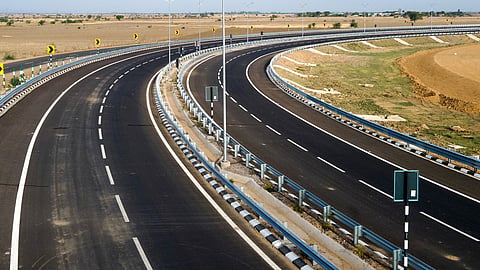
CHENNAI: In a major move aimed at easing traffic congestion on the Grand Southern Trunk (GST) Road, the National Highways Authority of India (NHAI) is set to take up six-laning of the 68-km Chengalpattu-Tindivanam stretch, including the construction of a 12-km access-controlled greenfield bypass around Chengalpattu, once the Ministry of Road Transport and Highways (MoRTH) approves the detailed project report (DPR).
According to NHAI officials, the proposed bypass will begin near Pachaiamman Koil, beyond the Kancheepuram Road junction on NH-32, and reconnect with the highway at Pakkam near the Uthiramerur Road junction. The project will also include the construction of a new bridge across the Palar river. The existing two-lane bridge across the Palar river on the GST road has become a bottleneck. The bypass is planned as a fully access-controlled corridor to facilitate faster movement of long-distance traffic and reduce bottlenecks within Chengalpattu town.
Officials said the DPR for the six-laning project was submitted to the Centre before the Tamil Nadu Assembly elections. However, the review process was delayed after the Model Code of Conduct came into force.
"Following the recent NITI Aayog meeting and the Chief Minister's demand for widening the Chengalpattu-Trichy corridor, the project could gain momentum," an NHAI official said.
The official clarified that the widening proposal of the GST currently extends only up to Tindivanam due to high traffic volumes on that section. Beyond Tindivanam, the NHAI does not see the need for widening the existing highway, as a separate greenfield expressway has been proposed between Singaperumalkoil and Tiruchy.
"Once the greenfield expressway becomes operational, a substantial portion of long-distance traffic is expected to shift to the new corridor. Therefore, widening the existing highway beyond Tindivanam may not be necessary," the official said.
On the proposed elevated highway between Tambaram and Chengalpattu, officials said the project is undergoing redesign after the state government sought integration of the planned Metro Rail corridor.
