
- Chennai
- Tamil Nadu
- India
- World
- EntertainmentEntertainment
- Business
- Sports
- Lifestyle
- Technology
- Videos
- Explainers
- Editor's Picks

COIMBATORE: Anticipating a surge in human-wildlife encounters with the onset of the southwest monsoon, the Gudalur Forest Division has intensified surveillance measures by deploying local youths, additional patrol vehicles and thermal drones in conflict-prone villages.
The enhanced measures are aimed at preventing wild elephants and other animals from straying into human habitations, a recurring problem in the hill region during the rainy season.
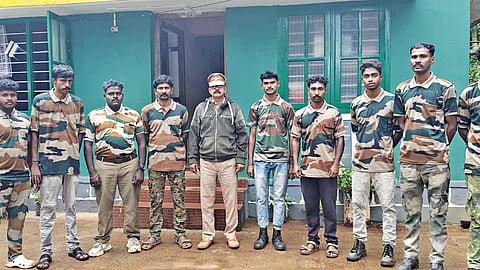
“A total of 40 youths selected from villages frequently affected by human-wildlife conflict have been engaged in elephant monitoring and protection work. They assist forest personnel in tracking elephant movement and preventing the animals from entering residential areas,” said P Devaraj, District Forest Officer (DFO), Gudalur Forest Division.
To strengthen field operations, the department has also brought in three additional patrol vehicles from Mudumalai for elephant-driving operations. Thermal drones are being used across forest ranges to monitor wildlife movement, while nearby villages are alerted whenever animals are detected close to human settlements.
The Forest Department has advised residents to avoid unnecessary travel during the night and early morning hours, when elephant movement is generally at its peak during the monsoon season.
Meanwhile, an elephant attack claimed the life of a 60-year-old farmer in Erode district, marking the second fatality linked to wild elephants in the region within a span of three days.
The deceased, Kaalan, a farmer from Ramarana village under the Thalamalai forest range of the Sathyamangalam Tiger Reserve, had gone to check on his cattle housed in a shed behind his residence late at night when he encountered a wild elephant.
Forest officials said the farmer was unable to notice the animal in the darkness. The elephant lifted him with its trunk, threw him to the ground and trampled him before moving away from the area. His body was later sent to the GH in Sathyamangalam for post-mortem.