
- Chennai
- Tamil Nadu
- India
- World
- EntertainmentEntertainment
- Business
- Sports
- Lifestyle
- Technology
- Videos
- Explainers
- Editor's Picks

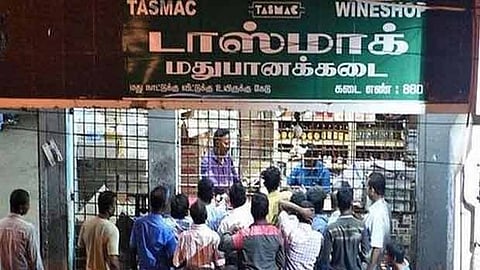
CHENNAI: The District Consumer Disputes Redressal Commission, Chennai (North), has held a TASMAC retail outlet guilty of overcharging a customer above the maximum retail price (MRP) and directed it to pay Rs 6,000 as compensation and litigation costs, while dismissing the complaint against the state-run liquor retailer's managing director.
The commission ruled that collecting even Rs 10 in excess of the printed MRP and failing to issue a purchase receipt amounted to both deficiency in service and an unfair trade practice under the Consumer Protection Act, 2019.
The case arose from a complaint filed by G Devarajan, who alleged that he purchased a 180 ml bottle of McLENE Original Brandy from TASMAC shop no. 8924 at Madhavaram on October 13, 2025. Although the bottle carried an MRP of Rs 140, he was charged Rs 150 through a debit card transaction. He claimed the shop neither refunded the excess amount nor issued a receipt, prompting him to issue legal notices and approach multiple authorities before moving the Consumer Commission.
TASMAC contested the complaint, arguing that liquor sales did not fall within the ambit of the Consumer Protection Act and that its centralised, barcode-based billing system eliminated any possibility of overcharging. It also questioned the maintainability of the complaint, contending that the complainant was not a "consumer" as defined under the Act.
The commission held that TASMAC had failed to prove that the purchase was made for resale or any commercial purpose, whereas the complainant had substantiated his claim through his bank statement, MRP details and records of legal notices issued to the authorities.
"The collection of additional Rs 10 by the second opposite party (shop) and the failure to issue a receipt amount to unfair trade practice and deficiency in service as a product seller, " the commission observed while holding only the retail outlet liable.
It directed the TASMAC outlet to pay Rs 5,000 as compensation, inclusive of the Rs 10 excess amount collected, besides Rs 1,000 towards litigation costs within two months. It further ordered that the amount would carry interest at 9% per annum from the date of the order until realisation, if the payment was delayed.