
- Chennai
- Tamil Nadu
- India
- World
- EntertainmentEntertainment
- Business
- Sports
- Lifestyle
- Technology
- Videos
- Explainers
- Editor's Picks
CHENNAI: In yet another incident highlighting the continuing tensions in the Palk Strait, the Sri Lankan Navy on Thursday arrested 22 fishermen from Tamil Nadu for allegedly crossing the International Maritime Boundary Line (IMBL) and fishing in Sri Lankan waters.
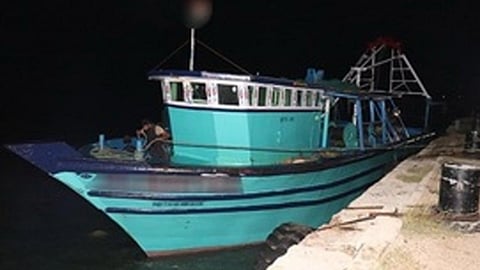
Four mechanised boats used by the fishermen were also seized.
According to fisheries department sources, the fishermen hailed from Rameswaram and Mandapam in Ramanathapuram district. They had ventured into the sea on Wednesday night in four boats for routine fishing operations.
The arrests took place in the early hours of Thursday near Katchatheevu, a small islet in the Palk Strait that has long been a sensitive issue between India and Sri Lanka.
Sri Lankan naval personnel reportedly intercepted the boats while the fishermen were engaged in fishing activities and accused them of crossing the maritime boundary.
The 22 fishermen were taken into custody and escorted to the Mannar naval camp for further questioning.
The incident has triggered anxiety and distress among fishing communities in coastal Tamil Nadu, particularly in Rameswaram and Mandapam, where families anxiously await updates on their detained relatives.
Repeated arrests by the Sri Lankan Navy over allegations of poaching and boundary violations have become a persistent issue, straining livelihoods and diplomatic ties.
Fishermen’s associations have urged the state and Union governments to take immediate steps to secure the release of the detained fishermen and their boats.
Family members have also appealed for swift diplomatic intervention, stating that the arrests have caused deep emotional and financial hardship.
The Palk Strait, a narrow stretch of water separating India and Sri Lanka, has witnessed frequent confrontations over fishing rights.
Tamil Nadu fishermen often venture close to Katchatheevu, an area traditionally used for fishing, but which now falls under Sri Lankan jurisdiction.
Despite periodic bilateral talks and assurances, arrests and boat seizures continue to recur, underscoring the need for a lasting solution to protect the livelihoods of coastal fishing communities on both sides.
