
- Chennai
- Tamil Nadu
- India
- World
- EntertainmentEntertainment
- Business
- Sports
- Lifestyle
- Technology
- Videos
- Explainers
- Editor's Picks

CHENNAI: Menstrual hygiene practices in Tamil Nadu are significantly better than the national average, but the growing use of disposable sanitary napkins is emerging as an environmental concern, according to the latest State Economic Survey.
The report states that access to menstrual hygiene products is widespread across the state, with 87.4% of women using sanitary napkins, while only 12.7% rely on cloth, compared to 49.6% nationally.
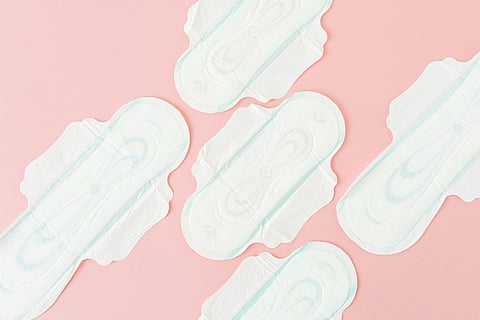
The data indicates that TN is performing well above the national average in menstrual hygiene awareness and access to safe products. However, the survey mentions that the increasing use of disposable sanitary pads has created a rising environmental challenge, particularly due to difficulties in safe disposal and waste management.
Used sanitary napkins often end up in landfills or open dumps, contributing to non-biodegradable waste. Usually sanitary napkins are made up of 90% plastic and 10 %cloth material.
As many as 50-100 chemicals are used as primary and secondary products to make them. Usually, a regular sanitary pad takes 500-800 years to degrade in the soil which can cause serious of implications in the environment.
As for as the government mechanism is concerned in TN, there is no standard procedure to collect napkins separately. Instead of getting collected as wet waste, it’s collected among all the other household wastes and taken to dump yards. Also, there is no such regular procedure here in TN.
In Bengaluru, for instance, sanitary pads are collected as a separate pack pasted with red stickers, which is designed especially to identify and easy for the segregation
Speaking to DT Next Dr Shanthi Raveendranath of Doctors Association of Social Equality opined that there was no standardisation for sanitary pads. “Whether it’s regular plastic mixed pads, or biodegradable pads, the standardisation procedure is important, which is missing. The government should regularise sanitary pads like how food products get standardised certificates,” she added.
Speaking to DT Next, environmental activist Geo Damin of Poovulagin Nanbargal pointed out, “The government does not care about the environmental impact of used sanitary pads that are made of plastic. People continue to burn used napkins, and many throw them out into the vacant site.”
He also added that women could also maintain menstrual hygiene through alternative and eco-friendly methods, “including the use of reusable cloth pads, which can be washed and reused, and menstrual cups that are made of medical grade silicone and can last for several years”.
Experts emphasise that awareness about proper usage, cleaning and disposal of menstrual products is essential to protect both women’s health and the environment. Promoting sustainable menstrual hygiene products along with improved waste management systems will help TN maintain its progress in women’s health while reducing environmental impact.