
- Chennai
- Tamil Nadu
- India
- World
- EntertainmentEntertainment
- Business
- Sports
- Lifestyle
- Technology
- Videos
- Explainers
- Editor's Picks

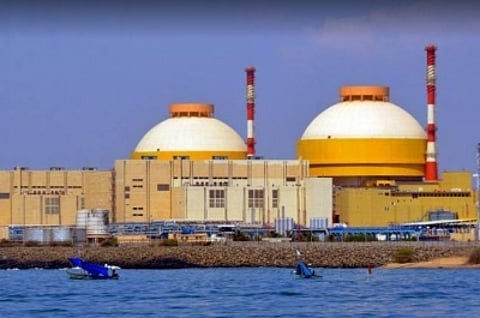
CHENNAI: Tamil Nadu Power Distribution Corporation Ltd (TNPDCL) has urged the Union Ministry of Power to ensure full allocation of the State’s share of electricity from units 3 and 4 of the Kudankulam Nuclear Power Project (KKNPP) and sought a restructuring of the proposed tariff of Rs 5.9179 per kWh, citing concerns over rising nuclear power costs.
The Department of Atomic Energy (DAE), in a letter dated January 29, 2026, stated that Karnataka has expressed its willingness to procure power from the two units. Tamil Nadu will therefore be entitled to a 50percent home-state allocation, subject to acceptance of the notified tariff.
The tentative base tariff is set at Rs 5.9179 per kWh, excluding additional adjustments such as fuel price variations, return on equity, foreign exchange variations, water charges, statutory taxes, cess, and insurance costs.
TNPDCL said the proposed tariff of around Rs 6 per kWh marks a sharp increase from the historical nuclear tariff range of Rs 3 to Rs 3.8 per kWh and erodes nuclear power’s traditional cost advantage over coal-based thermal generation.
The utility also pointed out that renewable energy, coupled with battery energy storage systems, is currently available at tariffs of about Rs 4 per kWh, making it a more cost-competitive and flexible option. It added that the high fixed-cost structure and must-run nature of nuclear plants impose long-term financial commitments on beneficiary states.
Citing the example of tariff restructuring at the Kakrapar Atomic Power Station in Gujarat, TNPDCL requested a review of the tariff for Kudankulam units 3 and 4. It suggested re-examining capital costs, financing assumptions, return on equity, and depreciation to reduce the fixed-charge burden. It also proposed phased or back-loaded tariff recovery and tariff structures aligned with dispatch realities in a grid with high renewable penetration.
TNPDCL further noted that units 5 and 6 of the Kudankulam project are already at advanced stages and urged that power allocation and tentative tariffs for these units be finalised early.
Early clarity, it said, would help beneficiary utilities undertake long-term generation planning, assess cost competitiveness, finalise transmission arrangements and avoid financial and operational uncertainties.