
- Chennai
- Tamil Nadu
- India
- World
- EntertainmentEntertainment
- Business
- Sports
- Lifestyle
- Technology
- Videos
- Explainers
- Editor's Picks

DMK had constituted a 36-member committee, largely comprising younger leaders and functionaries associated with the party's youth wing, to review the causes of the electoral defeat
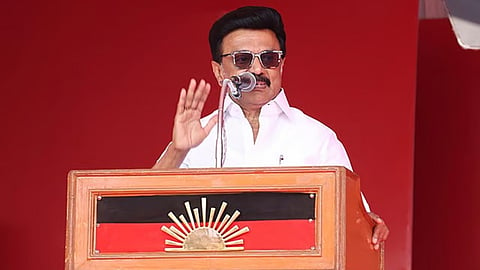
CHENNAI: The DMK's poll debacle review committees have submitted their reports to party president MK Stalin after completing a State-wide assessment of the reasons behind the party's poor performance in the recent Assembly election.
Sources said the committees have provided detailed feedback on organisational weaknesses, constituency-level issues and campaign-related shortcomings that contributed to the electoral setback.
Based on the findings, the DMK leadership is expected to undertake a major organisational restructuring exercise ahead of the forthcoming local body elections.
Party sources indicated that one of the significant proposals under consideration is the bifurcation of existing district units to strengthen grassroots administration and improve coordination between the leadership and cadre.
At present, the DMK has 78 district units. The party is reportedly planning to increase the number to around 115 by reorganising districts on the basis of Assembly constituencies. An official announcement on the restructuring is expected in phases over the coming weeks.
The DMK had constituted a 36-member committee, largely comprising younger leaders and functionaries associated with the party's youth wing, to review the causes of the electoral defeat.
The party, which had publicly targeted winning more than 200 Assembly seats, secured only 59 seats in the election. Following the setback, Stalin held consultations with district secretaries and assumed responsibility for the defeat while announcing a detailed review of the results.
As part of the exercise, the 36-member panel was divided into teams, with each two-member group assigned specific Assembly constituencies to gather feedback from cadres, local leaders and defeated candidates.