
- Chennai
- Tamil Nadu
- India
- World
- EntertainmentEntertainment
- Business
- Sports
- Lifestyle
- Technology
- Videos
- Explainers
- Editor's Picks

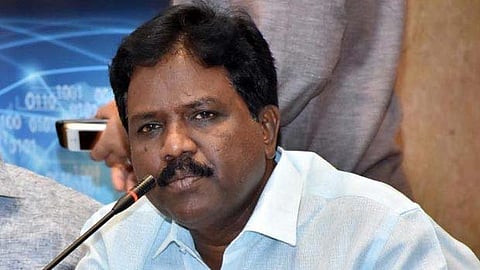
CHENNAI: VCK general secretary D Ravikumar on Sunday urged Chief Minister C Joseph Vijay to strongly oppose Prime Minister Narendra Modi’s proposal linking natural farming with efforts to reduce the nation's Current Account Deficit (CAD) by cutting fertiliser imports, cautioning that such a move could affect food security and farm production.
In a post on X, Ravikumar criticised Modi’s recent remarks advocating reduced use of chemical fertilisers and a shift towards natural fertilisers as part of measures to address the nation's deficit. He termed the proposal “alarming” and questioned whether such a strategy could serve as a practical economic remedy.
Drawing parallels with Sri Lanka’s 2021 experiment with organic farming under former President Gotabaya Rajapaksa, Ravikumar said the abrupt ban on chemical fertilisers and pesticides there had led to a steep fall in rice and tea production, soaring food inflation and widespread protests by farmers.
He said Sri Lanka, once largely self-sufficient in rice, had to import food grains after domestic production declined sharply. Tea exports, a major source of foreign exchange earnings for the island nation, were also hit badly, he added.
“The attempt to save foreign exchange by cutting fertiliser imports ultimately resulted in higher food import bills and reduced export revenues,” Ravikumar said, adding that Sri Lanka’s experience showed the dangers of “ideological policymaking without scientific calibration”.
Warning against adopting a similar approach in Tamil Nadu, the VCK leader said any substantial reduction in chemical fertiliser usage would directly affect agricultural output, particularly rice cultivation, and pose a serious threat to food security.
He pointed out that fertiliser consumption in the State had increased from around 2 kg per hectare in 1950 to nearly 200 kg per hectare now, with farmers heavily dependent on fertilisers such as urea and DAP to sustain crop yields.
According to him, a decline in production would force Tamil Nadu to rely more on food imports from other states, leading to higher prices and greater pressure on poor and lower-middle-class families.
Ravikumar also said agriculture continued to make a significant contribution to the State’s Gross State Value Added (GSVA), and warned that lower yields would severely affect the incomes of farmers and agricultural labourers.
He urged the State government to “firmly oppose” the Centre’s proposal and called on the Chief Minister to take a “clear and uncompromising stand” to protect the interests of farmers and ensure economic stability and food security in Tamil Nadu.