
- Chennai
- Tamil Nadu
- India
- World
- EntertainmentEntertainment
- Business
- Sports
- Lifestyle
- Technology
- Videos
- Explainers
- Editor's Picks

CHENNAI: Facing chronic drinking water shortage, the Maraimalai Nagar municipality has commenced work on a Rs 20.14-crore project to treat and supply water from an abandoned stone quarry at Chettipunyam.
The municipality, which has around 23,000 households, 275 industries and more than 400 commercial establishments, has a resident population of nearly 1.3 lakh. The floating population, including industrial workers and daily visitors, pushes the number to around 1.7 lakh.
Despite receiving water through the Palar water supply scheme, the Tamil Nadu Water Supply and Drainage (TWAD) Board network and local sources, the residents there have continued to face drinking water shortages, particularly during the summer months.
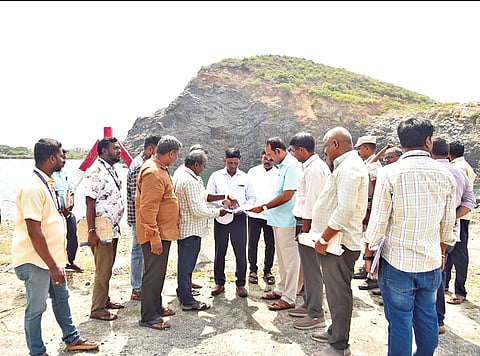
To augment water supply, the Chengalpattu district administration and TWAD Board identified the abandoned stone quarry at Chettipunyam as a potential source. Spread over nearly 350 acres, the quarry has accumulated substantial quantities of water ever since mining activities ceased more than a decade ago.
The waterbody first came under consideration during the acute water crisis in 2020. Subsequent tests confirmed that the water could be treated and made fit for human consumption. Though the proposal did not move forward then, the State government later revived the plan to meet the growing water demand in Maraimalai Nagar.
Following delays caused by the Assembly elections, tenders have been finalised and work has now begun. Chengalpattu Collector M Veerappan inspected the site and instructed officials to expedite the project.
Municipal officials said the scheme is expected to be completed within a year. Once commissioned, it will provide an additional 25 lakh litres of drinking water a day, significantly improving water availability and reducing dependence on existing sources in the fast-growing municipality.