
- Chennai
- Tamil Nadu
- India
- World
- EntertainmentEntertainment
- Business
- Sports
- Lifestyle
- Technology
- Videos
- Explainers
- Editor's Picks

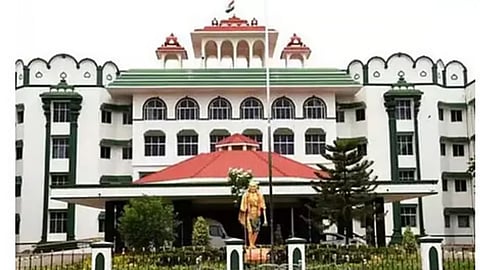
MADURAI: The Madurai Bench of the Madras High Court has granted a Sri Lankan woman 60 days to solemnise and register a valid marriage with her Indian partner and ordered that she not be deported during this period.
“This Court is not inclined to disrupt the relationship arising out of the ceremony undergone by the petitioner with J Arun Kumar. However, this Court is inclined to grant them a period of 60 days from the date of the order to regularise their relationship by solemnising a valid marriage under any of the applicable statutory forms, namely, the Hindu Marriage Act, 1955 or the Indian Christian Marriage Act, 1872 or the Special Marriage Act, 1954,” Justice C Saravanan said.
The petitioner, K Pavithra Ketheeswaran, a Sri Lankan national, arrived in India on May 14, 2026, on a tourist e-visa valid for one month, until June 13. The counsel for the Foreigners Regional Registration Officer (FRRO) submitted that she had overstayed her visa and should be deported.
However, her counsel informed the court that she was eight weeks pregnant and required treatment at a government hospital as she and her husband could not afford treatment at a private hospital.
The petitioner and Arun Kumar had undergone a marriage ceremony on June 4 in the presence of his family members at Konnaikudi village in Lalgudi taluk, Tiruchirappalli district. Her counsel submitted that the marriage could be registered under Sections 15 and 16 of the Special Marriage Act, 1954.
The court had earlier directed the Medical Officer of the Government Primary Health Centre, Anbil, to admit the petitioner for pregnancy-related treatment and submit a report. The report dated September 28 confirmed her pregnancy and stated that her expected date of delivery was March 2, 2027.
After examining the medical report, Justice Saravanan observed that several complications had arisen as the petitioner had breached the conditions of the tourist visa.
The court also observed that the ceremony undergone by the petitioner and Arun Kumar on June 4 did not, strictly speaking, amount to any recognised form of marriage ceremony.
However, the court granted the couple 60 days from September 30 to regularise their relationship by solemnising a valid marriage under the Hindu Marriage Act, the Indian Christian Marriage Act or the Special Marriage Act.
The court ordered that the petitioner should not be deported during the 60 days. If the marriage is solemnised and registered within this period, she can continue to stay in India, subject to applicable law.
The court also directed the medical officer to provide her with necessary medical assistance whenever required.