
- Chennai
- Tamil Nadu
- India
- World
- EntertainmentEntertainment
- Business
- Sports
- Lifestyle
- Technology
- Videos
- Explainers
- Editor's Picks

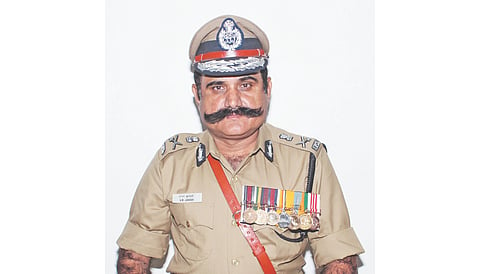
CHENNAI: The Madras High Court has upheld an order of the State Information Commission directing the Directorate of Vigilance and Anti-Corruption (DVAC) to disclose inquiry records to retired DGP SR Jangid, observing that the State failed to justify withholding the entire records under the RTI Act.
The Public Information Officer of the DVAC challenged the Tamil Nadu Information Commission's order directing it to furnish details of an inquiry in an alleged corruption case after masking the names and particulars of the officers concerned.
Jangid had sought copies of the inquiry reports, queries raised by the government, statements recorded by the inquiry officer, and other documents.
The Public Information Officer rejected the application under Section 8 (1) (g) of the RTI Act, citing risks to the life and physical safety of witnesses and confidential sources.
His appeal was also rejected, following which he approached the State Information Commission, which directed disclosure of the records.
When the matter came up for hearing before Justice Hemant Chandanagoudar, the State argued that disclosure could endanger witnesses and confidential sources, that third-party information could not be shared, and that masking names in voluminous records was impracticable.
The retired DGP argued that the inquiry, in which he was the subject, ended in his favour and that he was entitled to access the related records.
He contended that there was no evidence of any real threat to witnesses or sources, and that the names of other officers could be masked, as administrative difficulty was not a ground to deny information.
Though DVAC was exempted from the RTI Act under Section 24 (4) through a Government Order dated August 26, 2008, the proviso to the section makes it clear that the exemption does not apply to information relating to allegations of corruption and human rights violations, the court noted.
The judge also rejected the DVAC's argument that inquiry details were confidential under Rule 29 of the DVAC Manual, and observed that an internal administrative instruction could not create an exemption beyond those provided under the RTI Act.
While confidentiality could be considered to determine whether specific information was supplied in confidence, it could not be used to justify withholding the entire inquiry records, it said.
The court held that Jangid was entitled to the detailed inquiry records, as the State had failed to justify withholding the entire records under Sections 24 (4) or 8 (1) (g) of the RTI Act.
The court directed the Public Information Officer to furnish the records in accordance with the Tamil Nadu State Information Commission's order dated May 30, 2024, after masking the names and particulars of other officers.
For documents attracting Section 11, the prescribed procedure must be followed without withholding other information that can be disclosed.
Upholding the Information Commission's order dated May 30, 2024, the court dismissed the writ petition.