
- Chennai
- Tamil Nadu
- India
- World
- EntertainmentEntertainment
- Business
- Sports
- Lifestyle
- Technology
- Videos
- Explainers
- Editor's Picks

CHENNAI: India has witnessed a sharp rise in camera-based e-challans over the past three years, underlining a decisive shift towards automated traffic enforcement, even as Tamil Nadu’s trend suggests a phase of stabilisation.
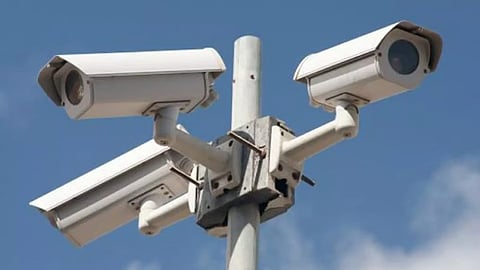
Nationwide, e-challans generated through traffic cameras rose significantly from 2.04 crore in 2023 to 2.92 crore in 2024 and further to 3.73 crore in 2025. The steady increase reflects expanding surveillance infrastructure, wider deployment of automated number plate recognition systems and stricter enforcement of traffic rules across States.
In contrast, manually issued challans have not followed the same trajectory. While they increased from 16.47 lakh in 2023 to 23.34 lakh in 2024, the numbers declined to 19.67 lakh in 2025. This indicates a gradual transition away from physical enforcement by traffic personnel towards digital systems.
Tamil Nadu, one of the early adopters of e-challan systems, presents a slightly different pattern. Camera-based challans in the State rose from 15.27 lakh in 2023 to 18.07 lakh in 2024, before dropping to 13.33 lakh in 2025. While the initial rise aligns with the national trend, the subsequent decline suggests a levelling off, possibly due to improved compliance or saturation in enforcement coverage.
The fall is more pronounced in manual challans. Tamil Nadu recorded a steep decline from 96,631 in 2023 to 37,452 in 2024 and further to 15,029 in 2025, signalling a clear shift towards technology-driven enforcement with minimal reliance on on-ground ticketing.
Compared with high-growth States such as Uttar Pradesh, Gujarat and Haryana, where camera-based enforcement continues to expand rapidly, Tamil Nadu appears to have moved into a consolidation phase. The reduction in challans, particularly in 2025, could indicate behavioural changes among motorists, though further data on violations and accidents would be needed to confirm this.
At the policy level, recent amendments to the Central Motor Vehicles Rules have standardised procedures for issuing, contesting and paying challans. Motorists now have a defined window to challenge violations online, with timelines for resolution and provisions for appeal, reflecting a more structured and transparent enforcement ecosystem.
Grievance data also points to increasing public interaction with the system, with complaints rising sharply over the three-year period, suggesting both greater awareness and wider use of digital enforcement platforms.
Overall, the data highlights a clear national pivot towards automated traffic management, with Tamil Nadu standing out for its early adoption and emerging signs of enforcement maturity.