
Chennai
Childhood memories of my visits to our ancestral village is crowned with times of fun, and a totally different lifestyle from the one we adopt to in the city. The excitement used to begin right when we used to get off at the Kumbakonam station and were all escorted towards a waiting horse carriage. Our village Chandrasekarapuram was only about 40 miles from Kumbakonam. But, it used to take us four hours as we stopped en route to drink tender coconut water, eat nongu (palm fruit) and exchange pleasantries with every known acquaintance passing by. Everyone around the 40-mile radius used to be aware that the Collector’s family was visiting for summer. My grandfather, Muthuswamy Iyer, was then the Collector and wielded a lot of power in his lifetime. My family was a huge one — seven siblings and I was the youngest daughter. With two younger brothers, I never lacked companions for my playtime or partners in crime.
As we would approach the village, excitement would stir all around. Our voices grew louder and eyes bigger taking in all the vibrant and scenic views of the paddy haystacks, coconut groves and fruit orchards of mango, jackfruit and lemon dotting the paddy fields. A lone cyclist would try and race our Tonga, much to the annoyance of my amma. My dad never accompanied us — as a railway officer, he travelled in his own specially decorated carriage with his retinue of helpers. All the villagers would run out of their homes and line up on the roadside to greet us, as my grandfather was also the village head.
The ancestral home was a tiled one with a sloping roof and a huge verandah, supported by beautiful wooden pillars. The house was of red and sandalwood colour, with stripes painted on the lower half of the outer walls. A huge stone bench adorned the verandah, which was an important part of the house as that was where the panchayat was held. As one entered the house, one walked into the courtyard which was huge, open and flooded with sunlight. With a verandah running all around, the courtyard was truly picturesque and caught everyone’s eyes. Huge pictures of the family and gods hung all around.
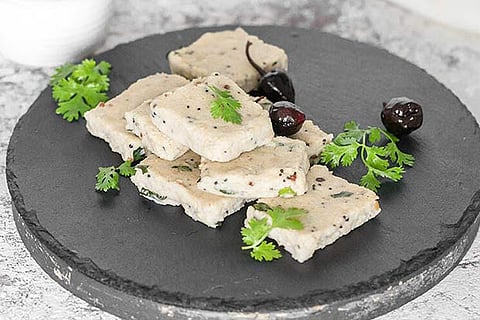
Another main part of the home was the kitchen, which would spread into the air the most enticing flavours. Amongst all the traditional dishes that were cooked there, the heritage moru koozhu/kali stood out for its unique, mouthwatering taste. This was the first thing we ate as soon as we got home. My superstar paatti, Subbulaxmi, was indeed one of the best cooks. Moru kali is a typical South Indian dish that dates back to the Vedic period, with a mention of it made as rice/millet being mixed with buttermilk and seasoned with salt and pepper.
Milk from cows and buffaloes and the milk products played an important role in the Vedic Indians’ diet. Churning yogurt to make butter, consuming the buttermilk and the use of yogurt and buttermilk in food were regular features. In India, food traditions go back thousands of years. My paatti’s moru kali stood out and till date remains a sacred part of our fond memories. With a desire to see these heritage dishes revived and traditions preserved, I bring to you the recipe of moru kali.
Moru Kali | Moru Koozhu:
Prep time: 10 min
Cooking time: 20 min
Serves: 3
Calories per serve 3 pieces: 200 cal
Ingredients
Raw rice flour: 1 cup
Thick sour curd: 1 cup
Water: 3 cups
Salt: To taste
Sun-dried buttermilk green chilies: 7
Mustard seeds: 1/2 tsp
Bengal gram: 1/2 tsp
Husked black gram: 1/2 tsp
Curry leaves: 1/2 cup
Asafetida: 1/4 tsp
Sesame oil: 2 1/2 tbsp
Green chili: 1 finely chopped
Method :
Kitchen Tips
— Chef RamaaShanker is the author of 'Festive Offerings tothe Gods: DivineSoul Recipes'
Visit news.dtnext.in to explore our interactive epaper!
Download the DT Next app for more exciting features!
Click here for iOS
Click here for Android