
- Chennai
- Tamil Nadu
- India
- World
- EntertainmentEntertainment
- Business
- Sports
- Lifestyle
- Technology
- Videos
- Explainers
- Editor's Picks
CHENNAI: As food delivery apps dominate Chennai’s dining land scape, a quieter revolution is unfolding inside home kitchens. Across the city, women and youngsters are using WhatsApp and Instagram to turn home-cooked meals, traditional recipes and healthy lunch boxes into sustainable sources of income.

With growing concerns about food quality, nutrition and affordability, many working professionals, students and elderly residents are increasingly turning to homebased food sellers for fresh, personalised meals.
For Thabithal, a college student who runs a food page with her mother, the business began during a period of financial hardship.
“We started this because of poverty. My mother cooks delicious food, and what began as a way to earn an income has become something we genuinely enjoy,” she says. Despite balancing college and business, Thabithal credits customer recommendations and social media for helping the venture grow steadily. A similar story is shared by Deepa A, founder of MTJ Home Food, who turned to food entrepreneurship during a difficult phase in her life. After trying several small businesses that required significant investment, she began posting daily food menus on WhatsApp.
What started with just a handful of customers gradually expanded through recommendations and customer trust. Today, her WhatsApp group has 38 members, while her customer base has grown to around 50–60 occasional and repeat buyers.
“Customers who liked the food recommended it to others. That trust helped my business grow step by step,” says Deepa. Beyond financial support, the venture has given her confidence and purpose.
“Earlier, there was a lot of uncertainty. Today, I feel happy whenever I enter the kitchen because I know I am contributing to my family’s future,” she says.
Deepa adds that running a home-based food business involves much more than cooking. Planning menus, sourcing ingredients, managing orders, packaging meals and ensuring timely deliveries are daily challenges. Yet she believes customers continue to choose home-cooked food because of the trust, affordability and personal care that come with every meal. Interestingly, the trend cuts across generations. While youngsters like Thabithal are monetising their cooking skills through social media, senior entrepreneurs are using the same platforms to preserve and market traditional recipes.
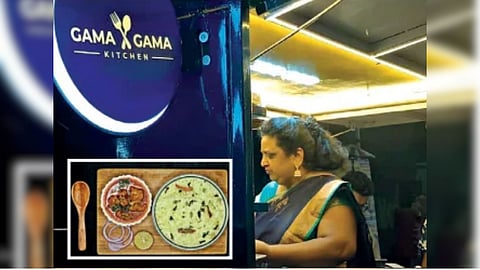
For Elsie Vijayanand, founder of Gama Gama Kitchen, the business fulfilled a long-standing dream. After leaving her job, she launched her venture in March 2025 and quickly recognised the growing demand for homemade food.
“People prefer homecooked meals because they trust the quality, hygiene and ingredients. Digital platforms help us reach new customers every day,” she says.
The demand extends beyond ready-to-eat meals. Vani Appavu, who sells homemade podis, masalas, pickles and health mixes, says her recipes were passed down by her mother.
“Whenever I prepare these recipes, I remember my mother. These products carry family memories, and digital platforms have helped me share them with a much wider audience,” she says.
For customers, the attraction goes beyond convenience. Raja Balasubramaniam, a Health, Safety and Environment Officer, who has been purchasing homemade food for more than two years, says the meals provide both comfort and trust.
“Living away from my family, homemade food reminds me of home. It feels healthier because it is prepared with more care, and knowing the person behind the food creates a personal connection,” he says.
Despite challenges such as rising ingredient costs, delivery pressures, delayed customer payments and balancing family responsibilities, these entrepreneurs continue to persevere.
As Chennai’s food culture continues to evolve, these entrepreneurs are proving that a smartphone and a home kitchen can create opportunities far beyond cooking. Their stories reflect a growing preference for trustbased, community-driven businesses, where homemade quality, personal connections and digital platforms are reshaping the way food reaches consumers.