
- Chennai
- Tamil Nadu
- India
- World
- EntertainmentEntertainment
- Business
- Sports
- Lifestyle
- Technology
- Videos
- Explainers
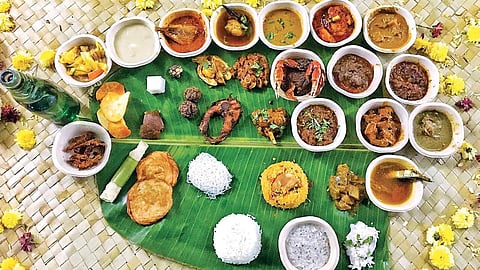
CHENNAI: In 2026, Chennai’s food scene is simmering with quiet confidence, shaped by a deeper awareness of health, heritage, and sustainability. The city’s culinary narrative is no longer about excess but intention, where time-honoured Tamil flavours are thoughtfully reimagined for a new generation of diners. Millets, native rice varieties, fermented foods, and plant-forward plates have firmly entered the mainstream, driven as much by nostalgia as by nutrition. Coastal produce continues to anchor menus, while street food evolves with cleaner formats, sharper flavours, and refined presentations. Sustainability has moved beyond buzzwords, finding expression in zero-waste kitchens, locally sourced ingredients, and mindful packaging.
At the same time, technology subtly enhances the dining experience through smart ordering, hyper-local delivery, and personalised menus. What defines Chennai in 2026 is its ability to balance progress with roots, and every plate tells a story of place, purpose, and an evolving palate.
According to food consultant Shabnam Banu, 2026 will be less about growth and more about getting things right. “Delivery is no longer a volume game. Restaurants cannot depend only on apps without hurting their margins, so menus will get tighter and more focused. Sustainability will also become part of daily operations, not a talking point. Things like packaging, water use, and food waste will matter more, especially for larger kitchens. Digital menus are already normal. What will matter next is how restaurants use digital tools to stay connected with customers and bring them back,” she says. Delving deeper, she adds, “Restaurants that use digital tools only to take orders will miss the point. The real value is in understanding customer behaviour and finding simple ways to bring people back. Overall, the businesses that do well in 2026 will be the ones that simplify, control their costs, and build repeat customers instead of chasing constant growth.”

Talking about micro-regional cuisines, Chef Mathangi feels that respect for them has increased significantly. “It is quite interesting because we revive forgotten recipes in the process. And the best way to make these dishes stay relevant is by restaurants creating different versions of them. Moreover, the focus will shift towards other seasonal ingredients and fruits this year,” she shares. Mathangi also believes that the heart of the food and beverage industry will be driven by chef-led stories.
When it comes to micro-regional cuisines that will gain momentum in Chennai, chef Peter predicts, “From Western Tamil Nadu, Kongunadu cuisine introduces millet-based dishes, rustic meats, and gravies made with podi and oils. The Nanjil Nadu and Kanyakumari belt specialises in coastal vegetarian fare, highlighting coconut and tamarind. Malnad and Coorg-influenced South Indian cuisine brings pepper-forward, forest-inspired, and foraged flavours to menus. Additionally, the bold, spice-forward dishes from the Telangana and Rayalaseema regions are particularly well suited as bar snacks and innovative biryani variations.”
Biryani always remains the soul of Chennai. Will that change this year? Experts say a big no. “New varieties of biryani will be introduced in the city, taking the trend to the next level,” Mathangi adds.
With access to fresh, regionally sourced produce from markets like Koyambedu, premium restaurants in Chennai are increasingly prioritising local and seasonal ingredients, while regional restaurants focus on hyper-local South Indian staples such as millets, nendram bananas, jackfruit, breadfruit, gongura, moringa, and native chillies. “To maintain consistency throughout the year while celebrating seasonality, kitchens are adopting a fixed framework that includes core gravies, spice blends, condiments, ferments, and batters that remain unchanged. A rotating layer of vegetables, greens, fruits, and seafood is then added based on seasonal availability from places like Ooty, Wayanad, Coorg, Malnad, Munnar, Thekkady, Mattanchery, and Kumbakonam. Preservation and mise-en-place techniques such as blast freezing, pickling, sous vide, sun-drying, fermenting, and cold-pressing ensure that seasonal peaks become signature elements in off-season dishes rather than disappearing altogether,” says chef Te Yuan Peter Tseng, Culinary Director for Pricol Gourmet.
“Cloud kitchens and delivery platforms will continue to play an important role in expanding reach, but they also demand sharper operational discipline. In 2026, data-driven ordering and POS tools will become increasingly critical. These insights help us forecast demand more accurately, optimise prep planning, reduce food waste, and make smarter procurement decisions. This, in turn, supports more stable pricing without frequent adjustments that can confuse or alienate customers,” says Tejasvi Suresh Bala, CEO and Founder of The Mayflower.
For him, health-forward dining is no longer a niche request but a baseline expectation. “Dishes like fresh salads, super-greens bowls, vegan and tofu-based options, and lighter broths such as Vietnamese pho sit alongside comfort favourites, allowing guests to eat according to their lifestyle without feeling restricted. Flexible add-ons and customisation further empower diners to control portions, protein, and intensity, which is increasingly important for health-aware customers. From a procurement standpoint, we focus on ingredient efficiency—using core produce like pumpkins, mushrooms, greens, and herbs across multiple sections of the menu. This reduces wastage, supports responsible sourcing, and helps us remain commercially sustainable without compromising flavour or variety,” he adds.
On the other hand, Mathangi believes that veganism will continue to grow and is here to stay. “Slow-cooking techniques are gradually gaining ground. We are moving towards elevated cuisines, which means elevating something simple by using more interesting techniques. However, the heart of the dish will remain the same. When it comes to international cuisines, Asian and Mexican will take over,” she says.
In an increasingly crowded Chennai market with cafés, speciality kitchens, and experimental formats, Tejasvi believes that consistency and clarity of identity matter more than novelty. “The Mayflower has been a pioneer in Chennai, especially in introducing dishes like khow suey to a wider audience long before it became a mainstream favourite. Similarly, our European offerings have always stayed true to their authentic flavour profiles, rooted in classical techniques rather than diluted interpretations. This commitment to authenticity is supported by long-standing, closely guarded recipes that have been refined over the years and remain central to who we are. As expectations around value and quality rise, our preparation lies in staying honest to what we do best—food that feels familiar yet refined, globally inspired yet grounded, and always consistent.”
Anticipating how technology and immersive formats will influence kitchen workflows and guest engagement in 2026, Chef Peter notes that experiential dining has become the norm at Chennai’s premium restaurants, with chef’s tables, farm-to-table concepts, and narrative tasting menus now standard across India. “AI and tech innovations like QR code menus, VR-led storytelling, and personalised dish suggestions are transforming my experience, both in the dining room and in the kitchen,” he states.
Younger diners in Chennai are exposed to the world, but they still want food that feels familiar. They are happy to try new spaces and formats, but they do not want food that feels confusing or forced. Concepts that take everyday flavours and present them in a cleaner, more thoughtful way connect better than forced fusion or trend-driven menus. In the coming year, the brands that will stand out are those that understand Chennai’s mindset. They feel current without trying too hard, and they respect local taste while still moving with the times,” Shabnam shares.
As Chennai tightens regulations around street vending while still celebrating its vibrant street-food culture, many have questioned how food businesses can strategically align with policy changes without losing cultural relevance. Addressing this, Shabnam says, “Street food is a big part of how Chennai eats and thinks about food, even as rules around vending and hygiene become stricter. Restaurants can collaborate with well-known vendors, do short pop-ups, or introduce limited dishes inspired by real street food practices. This allows flavours and stories to continue while still operating within the rules. Cultural relevance does not come from being informal or unstructured. It comes from taste, familiarity, and pricing that feels right.”
The best part of a meal is definitely dessert. A sweet revolution is currently underway, with Chennai at the forefront. “Key trends include the rise of functional and health-conscious desserts that incorporate millets, jaggery, dates, nuts, and gut-friendly ingredients, all while maintaining indulgence. Fusion mithai such as deconstructed payasam, mithai-inspired entremets like Kavuni Arisi cheesecake, and global flavours such as yuzu and matcha layered onto Indian sweet bases are gaining popularity. Chennai’s dessert landscape is expected to be driven by South Indian flavour-led creations like Mukkani panna cotta, jigarthanda kacang, and rosemilk tres leches, reimagined with modern patisserie techniques. Beverage–dessert hybrids like rose- and seed-based drinks or low-sugar kulfi featuring local fruits will combine nostalgia with a focus on wellness,” Chef Peter says.