
- Chennai
- Tamil Nadu
- India
- World
- EntertainmentEntertainment
- Business
- Sports
- Lifestyle
- Technology
- Videos
- Explainers
- Editor's Picks

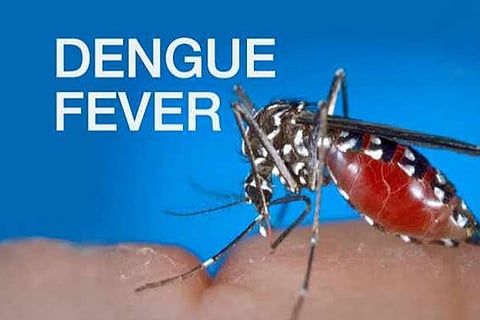
CHENNAI: Chennai has reported a rise in fever cases in recent weeks, with 140 dengue infections detected among more than 2,000 fever cases reported during the first 10 days of September, prompting health authorities to intensify surveillance and vector-control measures across the city.
The figures assume significance as the city enters a period of intermittent rainfall, which can create conditions favourable for mosquito breeding. In August, around 4,500 fever cases were reported, including 160 dengue infections.
Adyar, Anna Nagar and Valasaravakkam have reported a relatively higher number of dengue cases, according to the surveillance data. Health teams have consequently stepped up house-to-house visits, fever surveillance and source-reduction activities to identify and eliminate mosquito-breeding sites.
The Greater Chennai Corporation has deployed about 3,700 mosquito-control workers across its 15 zones. Field teams have been instructed to inspect residential areas and other potential breeding sites, including vacant plots, construction sites and public institutions. Private hospitals have also been asked to share daily information on fever cases to strengthen surveillance.
Health authorities have stressed that the rise in fever cases should not be equated with a dengue outbreak, as several other viral infections are also circulating in the city.
Doctors have reported cases of influenza A, rhinovirus and respiratory syncytial virus (RSV), among other respiratory infections.
The Directorate of Public Health and Preventive Medicine has advised people with persistent fever to seek medical attention rather than self-medicate. Early consultation is particularly important when fever is accompanied by severe body pain, headache, vomiting, rash, bleeding or other warning symptoms.
At the State level, dengue continues to remain a public-health concern. Health minister KG Arunraj told the Assembly last week that Tamil Nadu has recorded 14,581 dengue cases and nine deaths so far this year.
With rainfall expected to increase in the coming weeks, DPH officials have urged residents to prevent water stagnation and keep water-storage containers covered. "Sustained mosquito-control measures, early detection and timely medical care will be crucial to contain infections," the officials said.