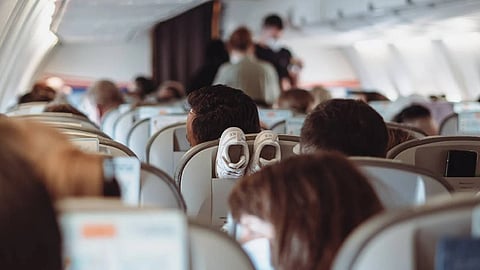

CHENNAI: Stories of passengers dying mid-flight often raise questions about what caused the death. What is less commonly discussed is what follows afterward—how airline crews respond onboard and how authorities take over once the aircraft lands. This explainer outlines the procedures airlines follow when a passenger dies during a journey.
When a medical crisis occurs in the air, cabin crew are trained to act immediately. They administer first aid and attempt resuscitation, including CPR, while calling for help from any medical professionals among the passengers. Crew members also rely on emergency medical equipment carried on the aircraft and stay in contact with medical teams on the ground for guidance.
If all medical efforts fail, the crew must handle the deceased passenger with care and sensitivity. The body is usually covered and, if seating allows, moved away from crowded areas to a vacant row or the galley. Using a restroom for this purpose is strongly discouraged and considered only when no other option exists. On flights that are completely full, the passenger may have to remain in their seat.
A death onboard does not automatically mean the flight will be diverted. The captain evaluates several factors, including the aircraft’s position, safety considerations, and advice from aviation and medical authorities. Once the plane reaches its destination, local officials—often including forensic personnel are called to handle the case.
Flight attendants are required to record all details related to the incident, including the timeline of events and medical response. To maintain calm inside the cabin, airlines usually avoid informing passengers about the death. However, those seated nearby may be moved when possible.
The realities of dealing with death in the confined space of an aircraft were recently brought into focus by an incident involving an Australian couple on a Qatar Airways flight from Melbourne to Doha. The couple later said they were distressed after being seated next to the covered body of a deceased passenger for several hours, highlighting the emotional and logistical challenges airlines face in such situations.