
- Chennai
- Tamil Nadu
- India
- World
- EntertainmentEntertainment
- Business
- Sports
- Lifestyle
- Technology
- Videos
- Explainers
- Editor's Picks

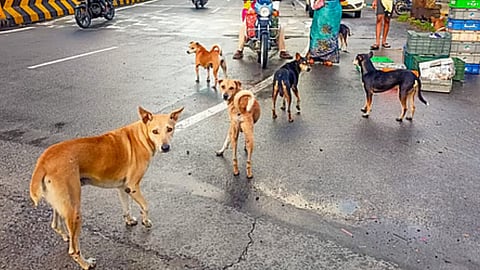
CHENNAI: GCC will conduct a second round of anti-rabies vaccination and de-worming for street dogs across all zones at an estimated cost of Rs 3.5 crore. In the first phase held between August and December 2025, more than 1.47 lakh street dogs were vaccinated.
A three-year mosquito and vector control programme using real-time monitoring of larval density has been proposed across waterways and SWDs, including the Cooum, Adyar and Buckingham Canal. GCC to deploy advanced equipment and insecticides to identify breeding hotspots and control mosquito population, with an estimated annual cost of about Rs 25 crore.
The Corporation will introduce a QR code facility in handheld POS devices used by field staff for collecting property tax. Owners can scan and pay the amount instantly and will receive the receipts through WhatsApp.
The existing Quality Control Department will be converted into a new Quality Control and Project Development Department, positioned as the GCC’s central unit for infrastructure planning and project execution. The role is to translate plans and major policy ideas into investment-ready, implementable infrastructure projects, while ensuring timely execution and quality compliance. The department is divided into four – Architecture – Urban Design, PPP – Project Structuring, Urban Greening – Sustainability and Quality control
Safety upgrades has been proposed on 15 high-traffic bus route roads across the city at an estimated cost of Rs 45 crore. The works include road widening, concrete tabletop speed breakers, warning and information signage, bollards and audio alert systems aimed at improving pedestrian safety and regulating vehicle movement on busy stretches. The selected roads span multiple zones and include Basin road, MMDA 2nd and 3rd main roads, Padikuppam Main Road, Church street, Gangaiamman Koil road etc..
GCC will procure 10 infrared recycling road repair machines at a cost of Rs.15 crore. These units use heat to recycle existing asphalt and repair damaged patches seamlessly, avoiding uneven surfaces. They will be deployed on bus route roads as well as interior roads, with operation and maintenance to be handled through a three-year contractor arrangement.
Wayfinding and public information sign boards will also be installed along 300 major roads and junction improvements are planned at 20 key intersections.
A Detailed Project Report will be prepared to study the feasibility of upgrading roads along water bodies (Tank Bund Roads) into effective traffic handling corridors, as part of efforts to ease growing congestion and improve road capacity for public transport and general traffic.