
- Chennai
- Tamil Nadu
- India
- World
- EntertainmentEntertainment
- Business
- Sports
- Lifestyle
- Technology
- Videos
- Explainers
- Editor's Picks

CHENNAI: When Noor Nisha was in Class 11, she picked up a camera out of curiosity. Five years later, the 20-year-old from North Chennai is using photography to document the lives of people whose stories often go unnoticed.
A Digital Journalism graduate and a 2025 Pari Fellow, Noor’s work centres on working-class communities, political movements and the changing landscapes they call home. Her photographs have also appeared in several publications.
“I’ve always been interested in photographing marginalised communities, their livelihoods and the struggles they go through. For me, photography is a way of telling their stories,” she says.
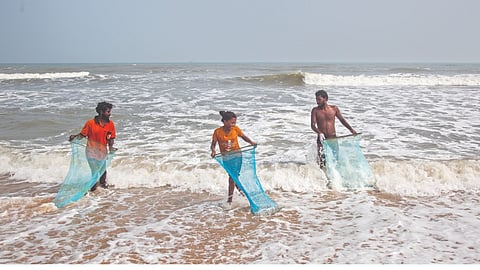
One of her ongoing projects, Working the Waters of Pazhaverkadu, looks at how the changing coastline and the loss of biodiversity are affecting fishing communities in North Chennai. “I am from North Chennai, so Ennore and Pulicat were places I already knew. I first wanted to document biodiversity, but as I spent more time there, I realised the bigger story was about the people.
Their livelihood depends on the landscape and when the landscape changes, their lives change too,” she says.
The project began in 2022, when she noticed parts of the coastline changing rapidly. “I cannot stop pollution or bring back what has been lost. But I can document it. Through my photographs, I want people to see what is happening and hear the voices of the communities living there.”
Noor is mentored by photographer Palani Kumar through the People’s Photographs Collective. Besides learning from the collective, she also helps mentor students from rural backgrounds during workshops organised by the group. “I’ve learned a lot from being part of the collective. Now I also get to work with younger students, which has been a meaningful experience,” adds the youngster.
Recently, Noor has collaborated with a journalist on another documentary project and is now planning to document the proposed Mamallan Reservoir Project. While environmental issues feature strongly in her work, Noor says there is a bigger conversation that young people need to have. “Understanding climate change is important, but we also need to learn about people’s lives and issues of class and caste. Many youngsters don’t know enough about these realities. The more we understand society, the more aware we become,” she points out. Noor has applied to several universities and is waiting to hear about scholarships for higher studies. Wherever she goes next, she hopes to continue documenting people and places that are often overlooked. “I want to keep telling stories that matter. Even if I can’t change everything, I hope my photographs make people stop, look and think,” concludes the young photographer.