
- Chennai
- Tamil Nadu
- India
- World
- EntertainmentEntertainment
- Business
- Sports
- Lifestyle
- Technology
- Videos
- Explainers
- Editor's Picks
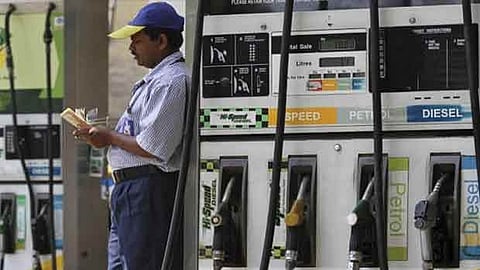
NEW DELHI: State-owned fuel retailers are losing Rs 5 per litre on petrol and Rs 23 a litre on diesel as fresh hostilities in West Asia pushed international oil prices above USD 100 per barrel -- the highest since last July -- analysts said on Wednesday.
Brent crude, the international benchmark for oil prices, rose 2.5 per cent to over USD 100 a barrel, while US West Texas Intermediate crude gained almost 2 per cent to about USD 95. This after tensions rose in the Middle East amid the latest tit-for-tat exchange of fire between the US and Iran.
Brent last touched the USD 100-mark on July 23.
India, the world's third-largest oil importing and consuming country, is particularly exposed to swings in international crude prices. It imports over 88 per cent of its crude -- raw material for making fuels like petrol and diesel -- requirements.
A sustained increase in prices raises the country's dollar-denominated import bill and can put pressure on the trade balance and the rupee, analysts said.
Also, with retail pump rates remaining unchanged, it leads to fuel retailers incurring losses on sale of petrol, diesel and cooking gas LPG.
Prashant Vasisht, Senior Vice President and Co-Group Head, Corporate Ratings, ICRA Ltd, said with escalation in hostilities between Iran and the US, Brent prices have crossed the USD 100 per barrel-mark on Wednesday and the Indian crude basket is at about USD 109 per barrel.
"At the average price for the month of September till date, marketing margins on petrol are negative Rs 5 per litre and diesel at negative Rs 23 a litre and under recoveries on domestic LPG are at Rs 200 per cylinder," he said.
"If the current geo-political situation persists, crude oil prices could rise further given that several countries, including China, were tapping their strategic reserves for a significant proportion of their consumption and their return to the market could increase demand in a period of restricted supplies."
Higher crude prices can also feed into domestic inflation through fuel, transport and other energy-related costs. But the impact on consumers and the wider economy would depend in part on how much of the increase is passed through to domestic fuel prices and how long international prices remain elevated.
For now, retail petrol and diesel prices remain on freeze for over three months. Rates were last revised on May 25 when they were hiked Rs 2.61 a litre for petrol and Rs 2.71 per litre for diesel.
Those hikes were part of the revision in rates that happened in the second half of May in response to international prices rising due to the war in West Asia disrupting energy flows from the Gulf countries. In all, petrol price was raised Rs 7.35 a litre and diesel by Rs 7.53 in four instalments.
India's crude oil import bill surged over 56 per cent during April-July to USD 63.4 billion compared to USD 40.5 billion in the same period last year, according to the Oil Ministry's Petroleum Planning and Analysis Cell (PPAC).
The volumes bought remained almost the same -- 81.9 million tonnes in the first five months of the current fiscal year and 81.5 million tonnes last year.
The basket of crude oil India imports averaged USD 108.91 per barrel on September 8, according to PPAC.
The basket is made up of sweet or low-sulphur (Brent) and sour grades containing more than 0.5 per cent sulphur (Oman & Dubai average) in the ratio 77.81:22.19.
The Indian basket of crude oil breached the USD 100 mark earlier this month, and the September average is USD 102.11 per barrel against USD 90.19 in August and USD 82.04 in July.
Rajeev Sharan, Head of Research, Brickwork Ratings, said Brent crude has crossed USD 100 a barrel again, the highest since late July, driven mainly by US-Iran tensions and supply worries around the Strait of Hormuz rather than by stronger demand.
"With OPEC+ holding output steady and geopolitical risk still high, prices are likely to stay firm and volatile through the coming month, easing only if tensions cool," he said, adding that costlier crude will squeeze margins in oil-sensitive sectors such as aviation, paints, tyres, chemicals, logistics, and parts of FMCG.
"Dearer oil also adds to inflation risk and strengthens the case for the US Fed to sound hawkish, or even hike interest rates on September 16," he said.
For India, higher crude means costlier imports, a wider trade gap and a softer rupee, leaving the RBI little room to cut at its October 7 review, he said.
"We expect it (RBI) to hold the repo rate at 5.25 per cent and stay watchful. A tightening bias cannot be ruled out if Brent stays above USD 100 and feeds into broader inflation," he added.
