
- Chennai
- Tamil Nadu
- India
- World
- EntertainmentEntertainment
- Business
- Sports
- Lifestyle
- Technology
- Videos
- Explainers
- Editor's Picks
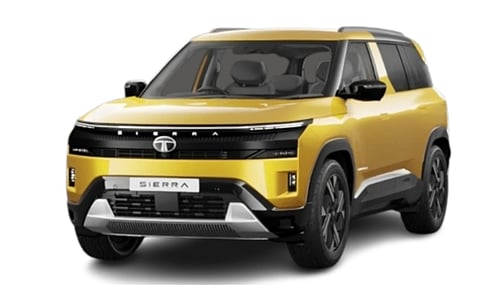
CHENNAI: The Indian automotive market has seen a major shift in recent years, especially in the SUV segment. What was once a category defined by ruggedness and utility is now evolving into something far more nuanced—vehicles that reflect changing lifestyles, preferences, and expectations of modern buyers. This transformation is visible in how SUVs are being designed today, with models like the Tata Sierra showcasing how automakers are adapting to these evolving demands.
From Utility to Lifestyle-Oriented Design
SUVs were traditionally built for durability and capability. High ground clearance, strong build quality, and basic practicality were the key priorities. However, modern buyers are looking for more than just functionality.
Today’s SUVs are expected to:
● Offer comfort similar to premium sedans
● Provide advanced technology and connectivity
● Reflect personal style and identity This shift has pushed automakers to rethink SUV design—not just as utility vehicles, but as lifestyle products.
The Rise of Urban Lifestyles
One of the biggest factors influencing SUV design is the rise of urban lifestyles. Most SUVs today are used primarily in cities rather than off-road conditions.
This has led to a change in design priorities:
● Smoother ride quality for city roads
● Easier manoeuvrability
● Enhanced in-cabin comfort Vehicles like the Tata Sierra reflect this balance by combining SUV presence with features that enhance everyday usability.
The Cabin as a Personal Space
Modern lifestyles involve spending more time in the car—whether commuting to work, taking long drives, or waiting in traffic. As a result, the cabin has become a key focus area. The Sierra’s interior approach highlights this shift. It features persona-themed interiors designed to evoke different moods within the cabin. This reflects a broader trend where cars are being designed as personal spaces rather than just driving environments.
Technology Integration as a Lifestyle Need
Technology is no longer an optional feature—it is a core expectation. Today’s buyers want seamless connectivity, intuitive interfaces, and digital integration.
SUVs now come equipped with:
● Large infotainment screens
● Connected car features
● Voice commands and smart controls The Sierra takes this further with its horizon-view triple-screen infotainment setup, offering a more immersive and connected experience. This shows how technology is becoming central to modern SUV design.
Comfort and Convenience Take Priority
As lifestyles become more comfort-oriented, SUVs are evolving to match these expectations. Features that were once considered premium are now becoming standard, including:
● Panoramic sunroofs
● Ventilated seats
● Advanced climate control systems
● Spacious interiors The Sierra’s panoramic sunroof and lounge-like cabin design, which create an “open, uplifting” feel, reflect this growing emphasis on comfort.
Multi-Purpose Usage
Modern SUVs are expected to serve multiple roles. A single vehicle is now used for:
● Daily commuting
● Family travel
● Weekend getaways
This has influenced SUV design to become more versatile. Features like flexible seating, larger boot space, and smart storage solutions are becoming increasingly important.
The Sierra’s segment-leading boot space of up to 622 litres (expandable further) highlights this focus on practicality alongside comfort. Emotional Design and Identity Another key trend is the growing importance of emotional design.
Buyers today want cars that:
● Stand out visually
● Reflect their personality
● Create a sense of pride in ownership The Sierra’s bold design language and recognition at global platforms like the Red Dot Design Awards underscore how design is becoming a critical factor in SUV development.
Experience-Driven Features
Modern lifestyles are also influencing the kind of features SUVs offer.
Features like:
● Ambient lighting
● Entertainment-focused infotainment systems
● Advanced audio setups They are designed to enhance the overall experience rather than just serve functional purposes.
The Sierra’s Theatre Pro system, which turns the cabin into a cinematic space with Dolby Atmos sound, is a strong example of this trend.
Role of Digital Platforms in Awareness As SUVs become more feature-rich and experience-driven, understanding these changes becomes important for buyers.
Online car-buying platforms like ACKO Drive help simplify this process by offering insights into features, comparisons, and ownership aspects, allowing buyers to make more informed decisions.
Final Thoughts
SUV design in India is no longer just about capability—it’s about lifestyle. Changing consumer expectations have pushed automakers to create vehicles that are more comfortable, connected, and personalised. The Tata Sierra reflects this shift by combining traditional SUV strengths with modern design and experience-focused features. As lifestyles continue to evolve, SUV design will likely move even further towards creating vehicles that are not just practical, but also enjoyable and meaningful to own.
