
- Chennai
- Tamil Nadu
- India
- World
- EntertainmentEntertainment
- Business
- Sports
- Lifestyle
- Technology
- Videos
- Explainers
- Editor's Picks

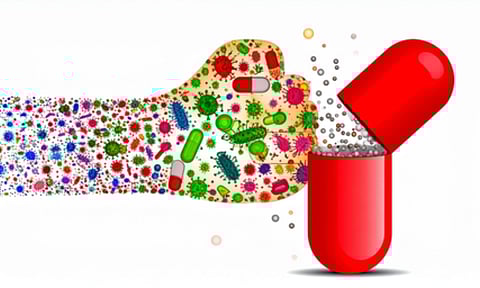
CHENNAI: Antibiotic resistance is a critical global health threat due to excessive and inappropriate use of antibiotics in humans, livestock and agriculture, warn health experts. A major concern is the growing tendency among people to take antibiotics without medical advice.
When antibiotics are misused, taken in the wrong dose or stopped midway, bacteria survive, mutate and become resistant, making infections harder to treat.
“If antibiotics are not taken properly, some bacteria survive, mutate and become resistant over time. Even simple infections can turn life threatening,” infectious disease expert Dr Surendran told DT Next. “Patients often discontinue antibiotics once symptoms improve, instead of completing the full course, enabling harmful bacteria to persist. Self-medication, use of leftover antibiotics and pressure on doctors to prescribe them for viral infections like colds and flu worsen the problem.”
Antibiotic misuse extends beyond humans. Large quantities are used in poultry, dairy and livestock farming to accelerate growth and prevent disease. In agriculture, antibiotics used for crop protection contaminate soil and water. “These residues enter our food chain and water sources, contributing to resistance. It is not only a medical problem but an environmental one too,” said environmental activist Sundarrajan of Poovulagin Nanbargal.
The scale of the crisis is evident in global data. WHO estimates that nearly one in six bacterial infections worldwide is now antibiotic resistant. It warns that antibiotic resistance could lead to 10 million deaths annually by 2050 if urgent action is not taken.
In India, surveillance by the Indian Council of Medical Research shows alarming trends. In 2024, analysis of more than 99,000 laboratory samples revealed that gram-negative bacteria continue to dominate serious infections, particularly blood, urine and respiratory illnesses. Declining effectiveness of last-resort antibiotics such as carbapenems against pathogens like Klebsiella pneumoniae has raised serious concern among clinicians.
The scale of the crisis is evident in global data. WHO estimates that nearly one in six bacterial infections worldwide is now antibiotic resistant. It warns that antibiotic resistance could lead to 10 million deaths annually by 2050 if urgent action is not taken.
In India, surveillance by the Indian Council of Medical Research shows alarming trends. In 2024, analysis of more than 99,000 laboratory samples revealed that gram-negative bacteria continue to dominate serious infections, particularly blood, urine and respiratory illnesses. Declining effectiveness of last-resort antibiotics such as carbapenems against pathogens like Klebsiella pneumoniae has raised serious concern among clinicians.