
- Chennai
- Tamil Nadu
- India
- World
- EntertainmentEntertainment
- Business
- Sports
- Lifestyle
- Technology
- Videos
- Explainers
- Editor's Picks

CHENNAI: Veteran Communist Party of India (CPI) leader and freedom fighter R Nallakannu passed away in Chennai on Wednesday (February 25, 2026) following prolonged illness and age-related ailments. He was 101. As per his wish, his body has been donated to Madras Medical College for medical research.
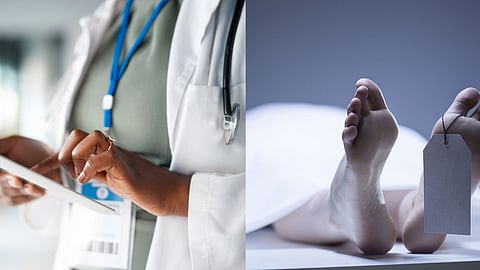
Meanwhile, many people may wish to understand what happens after a body is donated for medical research. Here is an explanation:
Bodies donated to medical colleges play a vital role in training future doctors and supporting medical research.
Organ donation involves transplanting organs like the heart, kidneys, liver, or eyes from a brain-dead person to save other patients.
Body donation means donating the entire body after death to a medical college for education and research.
According to a Daily Thanthi report, the body is preserved using a chemical solution such as formaldehyde, which is injected through the blood vessels to prevent decomposition.
To teach medical students human anatomy through dissection
To train doctors in new surgical techniques
For research on diseases and advanced treatments
After a few years, the remains are cremated respectfully. If the family requests, the ashes are returned to them.
Yes. Body donation is governed by the Anatomy Act of 1948, which provides the legal framework for medical institutions to accept donated bodies.