
- Chennai
- Tamil Nadu
- India
- World
- EntertainmentEntertainment
- Business
- Sports
- Lifestyle
- Technology
- Videos
- Explainers

CHENNAI: A four-year-old girl from Kozhikode district in Kerala has died after being diagnosed with Shigella infection, raising concerns over the spread of the highly contagious intestinal disease in parts of the state.
The child, identified as Nila from Thalakkulathur, had been admitted to the Government Medical College Hospital in Kozhikode on June 2 with symptoms including fever, vomiting and body pain. As her condition failed to improve, doctors collected samples and sent them to a virology laboratory for testing. The results confirmed Shigella infection. Despite receiving intensive treatment, the child succumbed to the illness. Two other children from Kozhikode treated for the infection are recovering.
Kerala Health Minister K Muraleedharan said 164 students from two schools in Wayanad are showing symptoms associated with Shigella infection and samples have been sent for testing. He also noted that around 123 cases were reported in Alappuzha and Pathanamthitta districts last week.
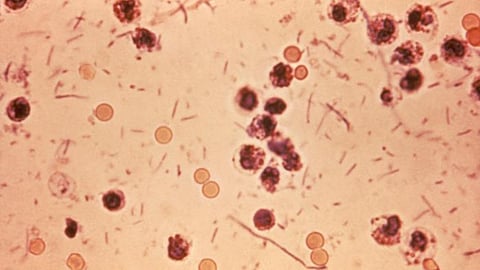
Shigella is a bacterial infection that primarily affects the intestines and causes symptoms such as diarrhoea, fever and abdominal pain. It is caused by bacteria belonging to the Shigella genus and is known for spreading rapidly, particularly in areas with poor sanitation.
The infection is commonly transmitted through contaminated food or drinking water. It can also spread through direct contact with an infected person, making young children particularly vulnerable. Health experts note that the bacteria can be passed on when proper hand hygiene is not followed after changing a child's diaper or caring for an infected person.
The severity of the illness can vary from person to person. Common symptoms include:
Fever
Stomach pain and cramps
Vomiting
Severe diarrhoea
Fatigue and weakness
Dehydration in severe cases
Following the reported cases, the Kerala government has stepped up surveillance and containment measures across affected districts.
Key measures announced by the state include:
Directing hotels and eateries to strictly adhere to hygiene standards and provide safe drinking water.
Ordering chlorination of water sources to prevent contamination.
Instructing the Food Safety Department to inspect hotels and eateries and ensure only boiled water is served.
Warning of strict action against unhygienic food outlets, including roadside eateries operating in unsanitary conditions.
Monitoring reports that ice used for preserving fish is being reused for drinking water and food-related purposes.
Intensifying surveillance and containment measures in affected areas.
Muraleedharan said around 123 Shigella cases were reported in Alappuzha and Pathanamthitta districts last week.
In Wayanad, health authorities have stepped up containment efforts after Shigella infection was confirmed in two students of a school in Sulthan Bathery.
District Medical Officer KT Rekha said 158 people, including students, teachers and parents with mild symptoms, had sought treatment at government and private hospitals. Of them, 68 are currently undergoing treatment, including 26 at the Government Medical College Hospital and 42 at private hospitals.
Another 163 people were treated, kept under observation and later discharged after their condition improved. No patient has required intensive care treatment so far, according to the DMO.
Doctors advise maintaining strict personal hygiene and food safety practices to reduce the risk of infection. Preventive measures include:
Washing hands thoroughly with soap and water
Drinking safe and clean water
Avoiding contaminated or improperly cooked food
Maintaining proper sanitation facilities
Seeking medical attention if symptoms such as persistent diarrhoea or high fever develop
Health officials have advised the public to drink clean water, wash their hands regularly and consume food only from hygienic sources. Authorities continue to monitor the situation as investigations into the suspected cases in Wayanad are underway.
(With PTI inputs)