
- Chennai
- Tamil Nadu
- India
- World
- EntertainmentEntertainment
- Business
- Sports
- Lifestyle
- Technology
- Videos
- Explainers
- Editor's Picks
April being the cruellest month, there’s been no dearth of alarming news about heatwaves this summer. Since it is an annual visitation, one expects the government to give it the seriousness it deserves, not least because more than 1,000 people on average die of heat stroke every year.
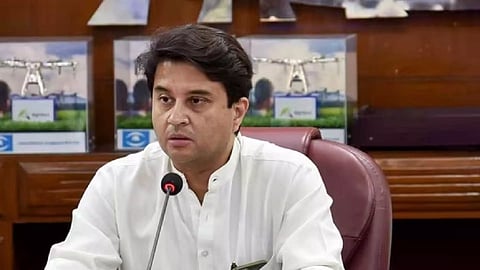
However, Union Minister Jyotiraditya Scindia’s light-hearted advice to people in Madhya Pradesh to carry an onion in their pocket to beat the heat suggests that the administration is still locked into conventional thinking on a problem that reaches disaster proportions every year.
Channelling his inner Marie Antoinette, Scindia said the bulb he keeps in his pocket works even in 50°C heat and saves him the trouble of turning on the AC in his car. The Sangh Parivar fraternity will note with satisfaction that the prince of Gwalior has, since joining the BJP, become an enthusiastic subscriber to cultural remedies, an essential requirement for ministers of the realm. Apart from being a sign of ideological obedience, Scindia’s reco to commoners is typical of the tendency of people in power to infantilise the public.
Why Indian politicians treat their constituents like children—speaking to them in an Amar Chitra Katha tone, affecting the voice of a soap opera mother-in-law to lambast the Opposition, mimicking the language of Bollywood fight sequences—is the great mystery of our culture. How prescient the great Ashoka was when he declared in his Kalinga edict, "All men are my children".
Although said half in jest, Scindia’s granny advice sounds facetious in the heat of this summer. From the beginning of this calendar year, the India Meteorological Department (IMD) has been issuing alarming forecasts about hotter-than-normal months ahead with more heatwave days than normal. As predicted, we had the fifth warmest February since records began to be kept, and heatwaves began rolling ahead of normal onset, in March.
This month, an early heatwave has been cooking large parts of north, central, and eastern India. Global data indicates that in the second fortnight of April 2026, 95% of the world's 100 hottest cities were located in India. And the toll reports are already coming in although April is an early month for heatwaves. There have been reports from Odisha of school teachers dying from sunstroke while doing Census enumeration duty, and from Bengal of four voters dying during the first phase of the election there. Hospitals nationwide are reporting increased cases of heatstroke, dehydration, and cardiovascular stress among outdoor workers. If these are but omens, it is dreadful to think of what the situation will be when the heat peaks in mid-May.
One peculiarity of India’s heatwave phenomenon is the administration’s reluctance to acknowledge the true extent of mortality due to it. Studies have found that official figures routinely undercount the true toll due to inconsistent reporting and attribution methods. Government data averages around 1,000 deaths per year while studies suggest a number far in excess of that. Central governments typically are wary of equating heatwaves with other natural disasters for a specious reason, that they damage human health but not infrastructure. That is narrow thinking because the vast numbers of workers (90%) in the unorganised sector suffer directly from heatwaves, and harm to them is nothing but harm to their families and communities. Heatwaves are no less destructive because they claim victims in ones and two but over many locations, and inevitably year after year.
