
- Chennai
- Tamil Nadu
- India
- World
- EntertainmentEntertainment
- Business
- Sports
- Lifestyle
- Technology
- Videos
- Explainers
- Editor's Picks
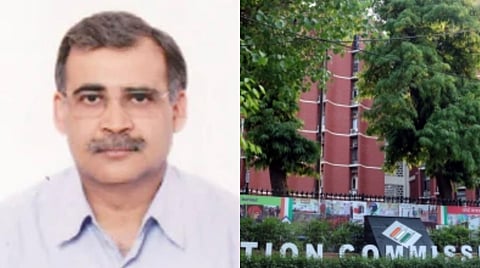
In the latest shakeup of the Tamil Nadu bureaucracy ahead of the April 23 Assembly election, the Election Commission of India on Saturday (April 11) transferred Home Secretary Dheeraj Kumar and appointed K Manivasan to the crucial post. This was the fourth major reshuffle effected by the commission in this election season.
Two days earlier, in a surprise move, it had moved out Chief Secretary N Muruganandam and appointed M Sai Kumar in his place. It also appointed senior IPS officer Sandeep Mittal as the DGP in charge of both the Directorate of Vigilance and Anti-Corruption (DVAC) and the Armed Reserve.
With this, the ECI has effectively taken control of the State administration, having placed its nominees in all the top posts in the poll-bound state: Chief Secretary, Head of the State Police, Chennai City Police Commissioner, and Home Secretary. The law does, with the intention of ensuring a level playing field, give ECI the power to make changes to the State administration but, customarily, it has been applied sparingly, or only at the constituency level.
But in the past 10 years, the commission has been invoking this power at the apex level as well, and on a larger scale. It is rare for the heads of both the civil and police administration to be changed, as has been done in Tamil Nadu now.
Not only do such overhauls disrupt governance at a crucial time, there is evidence to suggest that they work to the advantage of the BJP. Ahead of Assembly elections in Uttar Pradesh in 2017, ECI transferred hundreds of officials, including IPS and IAS officers at the highest levels. This presaged a landslide victory for the BJP, giving it 312 out of the 403 seats.
In West Bengal in 2021, a reshuffle at the top echelons, including the DGP and the Kolkata Police Commissioner, just before polling day led to the BJP boosting its tally from 3 seats to 77, thus becoming the main opposition for the first time in that State.
As the Chief Minister and DMK president MK Stalin has pointed out, the ECI does not apply this power where the BJP is the ruling party, say Assam in this round of elections, or in Bihar back in November 2025. Such one-sided actions do nothing to improve the image of the ECI, which already has the reputation of being a partisan umpire. By revamping the administration to favour one side, it risks becoming the pitch doctor as well.
The changes ordered by the commission in the final fortnight of the Tamil Nadu election campaign are perplexing. There have been no complaints of partisanship by Chief Secretary Muruganandam, and there is no justifiable reason why all the transferred officials must be stood down forthwith from any poll-related work. Also, it boggles the mind how the appointment—now rescinded—of Sandeep Mittal to the DVAC was considered in the first place despite the clear ideological bias he has exhibited in his past social media posts.
The Election Commission’s mandate is to ensure a fair election; the power to transfer officials is part of it. But when misused or applied selectively to favour one side, it only adds to the tonne of failings the ECI is busily toting up nationwide.
