
- Chennai
- Tamil Nadu
- India
- World
- EntertainmentEntertainment
- Business
- Sports
- Lifestyle
- Technology
- Videos
- Explainers
- Editor's Picks

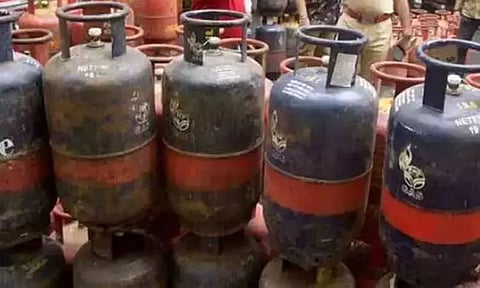
NEW DELHI: Since mid-March, when the oil and gas supply disruption through the Strait of Hormuz began to bite, and the Union Government imposed curbs on the distribution of cooking gas cylinders, thousands of workers and vendors engaged in street-level enterprise have been shutting down operations and going back home to rural India. This phenomenon, a reprise of what happened during the COVID-19 lockdown, is incontrovertible evidence that a large mass of people working in the unorganised sector lack even a week’s buffer in an economic crisis.
At about the time this exodus began, the National Statistical Office released the findings of its Annual Survey of Unincorporated Sector Enterprises (ASUSE) for 2025. The report gives us a snapshot of the condition of small and unincorporated businesses in the non-agricultural sector. The survey covered 6.7 lakh such establishments across the country between January 2025 and December 2025.
As we have come to expect of this government, the official communique on the ASUSE survey spins the findings to paint a picture of burgeoning growth of employment in the unorganised sector, which has come to be called the pakora sector in sardonic deference to Union Home Minister Amit Shah. As of the latest reckoning, there are a total of 7.34 crore non-agricultural business establishments in the country, a 7.97% increase since the previous survey. More than 58 lakh such micro-enterprises have come into being in just one year.
The 2025 survey reported that more than 74.52 lakh jobs were added in this sector since the previous edition, “reflecting robust labour market expansion”. About 12.81 crore workers earn their livelihood in this sector, a number that includes small entrepreneurs, their family members who contribute unpaid labour, and paid workers.
The ASUSE report also takes satisfaction from the fact that women account for 29% of the total workforce in this sector; that over 50% of traders in micro-enterprises use the internet to run their business; and that gross value added (GVA) rose by 10.87% at current prices. Taken together, these findings demonstrate, according to the government, “enhanced capital investment, greater financial inclusion, and a stronger trend toward digital adoption.”
These findings are clutching at straws. The growth in the number of establishments and the number of workers is very likely due to individuals sliding into the pakora sector because they have no options in the formal economy. The “digital adoption” may go no deeper than receiving UPI payments.
The pakora sector is no indicator of a thriving economy; it’s the saloon of last resort. About 58% of the workforce engaged in it are owners surviving on wafer-thin margins — and that too if you do not take into account their own and their family labour. The ASUSE findings indicate a microenterprise sector in severe crisis: The GVA per self-employed person works out to a mere Rs 440 per day. After deducting rent, materials, electricity, etc, their actual take-home is lower than the minimum wage in urban centres (about Rs 600 in wage code notified states) and alarmingly close to MGNREGS levels. Millions of small business owners are earning less than daily wage workers while bearing business risks. That’s not enterprise. It is subsistence. No wonder any revision of commercial LPG cylinder prices sends them scurrying to the bus depot. This government may be the Achilles of all elections, but unemployment is its suspect heel.