
- Chennai
- Tamil Nadu
- India
- World
- EntertainmentEntertainment
- Business
- Sports
- Lifestyle
- Technology
- Videos
- Explainers
The tragic death of over 140 persons due to intense storms and heavy rains across several districts of Uttar Pradesh has exposed all that is dysfunctional in India's most populous state. Shockingly, most people learned of the calamity via social media posts from countries like Russia, UAE and Singapore offering condolences, or from a viral video of a man being blown away by gales. Given the magnitude of the disaster, one would have expected top headlines, live reporting from affected areas and scathing television debates on governance failure. In contrast, the story was widely reported in international media.
In natural disasters, especially in the predictably recurring ones, there is a possibility of casualties and loss of life, but it is unforgivable if there are preventable deaths. Early warning systems (EWS), proactive mitigation efforts and effective response strategies can avert or at least minimise preventable deaths. The Uttar Pradesh government appears to have been caught unawares.
The state reports the highest casualties due to lightning in the country. In July 2024, 84 people died in a month, of whom 43 died in a day. In the present instance, the deaths of at least 25 people are attributed to lightning. The state government has been talking about setting up a Rs 300-crore early lightning detection and warning system. In the media reports relating to the ongoing disaster, there is no mention of the EWS.
Secondly, many people died due to the heavy rains and its devastating impact, despite the state boasting of 2450 observation stations with nearly 2000 automatic rain gauges besides 450 automatic weather stations. These are to be supplemented by the weather infrastructure of the India Meteorological Department. Even as the state is in the throes of a severe crisis, the state government announced the rolling out of an AI-driven High Spatial Resolution Rainfall Forecast system that can forecast up to 10 days in advance and is supposed to be effective in predicting thunderstorms too. There is a mismatch between government claims and ground reality.
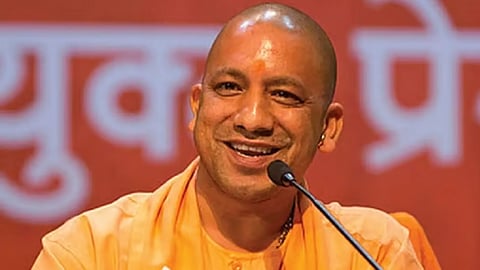
The Yogi Adityanath government has announced the immediate disbursement of an ex gratia of Rs 4 lakh to the next of kin of the deceased. In the past, there have been reports of not only corruption and bribery, but also denial of genuine, verified claims, besides procedural hurdles and delays. Likewise, another daunting challenge will be the accurate assessment of loss due to crop destruction and livestock deaths, for which the government has promised compensation. Again, there have been complaints about under-reporting of crop losses under the PM Crop Insurance Scheme due to logistic delays, narrow reporting windows and lack of awareness. The hi-tech solutions involving apps, online portals and central helplines have not been as effective as expected of them.
The scale of preventable casualties and magnitude of destruction of property and crops, the extent of displacement due to natural disasters, are indicative of the underdevelopment and backwardness of a state and the gaps in governance. The BJP governments in Delhi and Lucknow should take a leaf out of the zero-casualty proactive disaster mitigation and management model developed by Odisha under the leadership of the then chief minister Naveen Patnaik and ensure its implementation.
