
- Chennai
- Tamil Nadu
- India
- World
- EntertainmentEntertainment
- Business
- Sports
- Lifestyle
- Technology
- Videos
- Explainers
- Editor's Picks

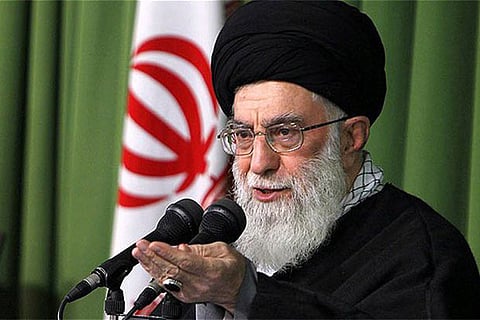
The Western world and its media are struggling to process and frame a convincing response to the avalanche of millions of Iranians solemnly participating in the sombre public funeral procession of the slain former Supreme Leader Ayatollah Ali Khamenei. Fed on government and media propaganda, a baffled Western public is incredulous that a leader portrayed as a ruthless, evil, religious dictator could inspire such palpably intense mourning. It is deemed both inconceivable and incomprehensible, as no modern Western leader could inspire such reverence or evoke such intense grief — except, ironically, Pope John Paul II and Queen Elizabeth.
One can surmise that the Iranian government and society have chosen this occasion to present a picture of defiant unity against their sworn enemies. The West, through its media, is trying to undermine and even defame this staggeringly impressive visual spectacle as a government project designed to drum up support, devoid of voluntary public participation. Yet, no one can dismiss or ignore the visible unity at home and the strong diplomatic posturing abroad.
The Iranian establishment wants to send a loud and clear signal to its enemies by deploying a perfect blend of political and religious chants, metaphors, symbols, and iconography. This array of communication devices resonates with its people due to their deep spiritual and historical connection. They help legitimise the ruling government, its power, and its authority, while acting as a glue for socio-religious cohesion.
Iran’s show of strength, unity, and resilience — in the face of the unfathomable military might and diplomatic clout of the US and Israel — is likely to influence the course of the temporarily paused negotiations between these countries. One cannot rule out the possibility that the otherwise level-headed and strategically pragmatic Iranian leadership might be swayed by these events to harden its bargaining positions and refuse to give in to Western pressure on nuclear and other demands.
The funeral will further embolden adversarial political posturing by Iran against the bellicose war-mongering of Israel and its backers in Washington. By abjuring delegitimising propaganda against Iran and conceding to its demands for equal and fair treatment, the US and its President, Donald Trump, should accept the ground reality and strike a deal that guarantees enduring peace.
Given recent diplomatic moves by India, which leaned heavily towards Benjamin Netanyahu’s Israel and was seen as playing supplicant to Trump’s US, Iran’s invitation to Prime Minister Narendra Modi has put India in a spot, forcing it to reveal its cards. By deciding to send a high-level delegation, New Delhi indicated its desire to sustain historical and enduring relations with Tehran. However, a muted and restrained response, limited to basic respect and official condolences, appears to have somewhat undermined India’s claims of strategic autonomy.
In contrast to the government and the BJP’s half-hearted, measured response, sections of Indian society and opposition parties focused on expressing solidarity with a defiant Iran, offering friendship and support to its besieged but courageous people. The bipartisan consensus should remain focused on sustaining ties with Iran. After an initial misstep — appearing to be on the wrong side of the conflict due to an inopportune Israel visit — India must strive in the long run to restore its old balance, even if doing so risks drawing the wrath of Trump and Netanyahu.