
- Chennai
- Tamil Nadu
- India
- World
- EntertainmentEntertainment
- Business
- Sports
- Lifestyle
- Technology
- Videos
- Explainers
- Editor's Picks
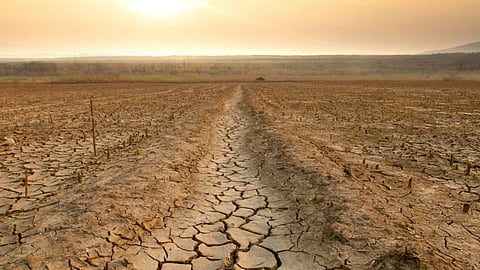
Antibiotic resistance is often associated with hospitals and the overuse of antibiotics in agriculture. Both are genuine problems, but new research suggests another potential culprit: droughts caused by climate change. A recent study published in the journal Nature Microbiology found that when soil dries out, it can speed up the natural processes that create and spread antibiotic resistance. This suggests climate change could make the problem worse.
This matters for the UK. The Met Office predicts that summers will get hotter and drier, with longer droughts if emissions stay high. Meanwhile, the NHS is already struggling with antibiotic-resistant infections, which are harder to treat and keep patients in hospital longer. When standard antibiotics stop working, doctors are sometimes forced to use powerful alternatives kept in reserve, known as "drugs of last resort".
Soil is teeming with bacteria; many naturally produce antibiotics to kill off rivals, while others carry genes that make them resistant to those attacks. In normal, moist soil, bacteria live in a relatively stable environment. But when the soil dries out, water gets squeezed into tiny, isolated pockets. Bacteria get crowded together, nutrients become scarce, and competition turns brutal. In these conditions, bacteria produce more antibiotics to attack each other, and more resistance genes emerge to help them survive. It is an arms race fuelled by drought.
Bacteria can swap genes with each other through a process called horizontal gene transfer. This means resistance genes from soil bacteria can be picked up by bacteria that infect humans. In fact, some resistance genes found in soil bacteria have already been spotted in bacteria that infect people, hinting at a long evolutionary connection between the two.
Some large studies have found that drier regions of the world tend to report higher levels of antibiotic-resistant infections in hospitals, even when taking differences in wealth and healthcare quality into account. These studies show correlation, though other factors like how infections are tracked, could also explain this pattern. Some of the soil bacteria linked to this problem are close relatives of hospital pathogens like Klebsiella pneumoniae and Pseudomonas aeruginosa, which belong to a group called Eskape, responsible for many of the world’s hardest-to-treat infections. This shows how connected environmental and clinical bacteria really are.
Antibiotic resistance already causes millions of infections every year. Most efforts to tackle it have focused on cutting unnecessary antibiotic use in medicine and farming. But this research suggests the environment itself, and how climate change is reshaping it, also plays a role we cannot afford to ignore. This is where the idea of One Health comes in – the concept that human, animal and environmental health are all closely linked. Antibiotic resistance, seen through this lens, is not just a medical problem; it is an ecological one too. As droughts become more common, scientists will need to keep a much closer eye on what is happening beneath our feet.
Manal Mohammed is Senior Lecturer, Medical Microbiology, University of Westminster
The Conversation
