
Chennai
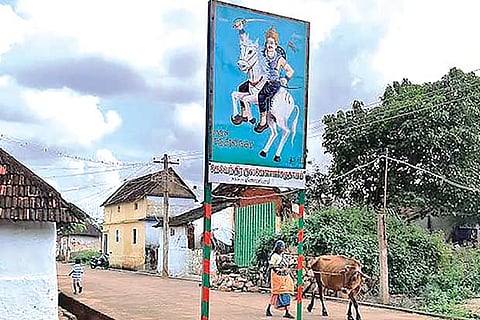
Even as the nation gradually ingested the Supreme Court verdict on the Ayodhya case without major hiccups on Saturday, the 150-odd Muslim families in the nondescript village of Meenakshipuram in Tirunelveli district went about their lives unaware of their connection with the demolition of the Babri Masjid in 1992 and the chain of events it has triggered since.
On February 19, 1981, around 150 Dalit families in Meenakshipuram village converted to Islam in a mass ceremony shocking right-wing leaders across the country. The village, which barely had a handful of Muslim families, was renamed Rahmat Nagar drawing the ire of Hindu nationalists.
Soon, right wing organisations like Vishwa Hindu Parishad and Arya Samaj arrived in Rahmat Nagar to find out the reason behind the conversions. The BJP, been formed only a year before, took up the issue and the party’s first Prime Minister Atal Bihari Vajpayee even visited Meenakshipuram exactly four months later to probe the reason behind the mass conversion.
The BJP later took the issue of Meenakshipuram conversion to the Parliament when it reached Lok Sabha in 1984 with two seats. The clamour gathered momentum over the years and culminated with the Babri Masjid demolition in 1992.
When his family converted to Islam, 57-year-old Mohammed Eesha from Pallikooda Street was in his teens. “I am not much aware of the village’s connection with the Babri Masjid demolition but I consider the verdict to be unfortunate,” he said. “It was politically influenced.”
Referring to the verdict, Eesha wondered why did the SC not give five acres of land allotted to build a temple at an alternate site instead of a mosque.
Another villager, Theethar Mydheen (82), who claimed to have converted with his family back in 1981 to avoid discrimination by caste Hindus concurred that the verdict came in favour of Hindus. “But we have to accept it, the law of the land cannot be ignored.”
Sitting at a tea shop in Pallivasal Street with his Hindu neighbour Sudalai, another convert Mohammed Saleem said, “Whatever the verdict, we both (Hindus and Muslims in the village), embrace each other as brethren. You can see that his village is an example for communal harmony.”
Visit news.dtnext.in to explore our interactive epaper!
Download the DT Next app for more exciting features!
Click here for iOS
Click here for Android