
CHENNAI: With chikungunya cases showing an upward trend across several southern districts, the Directorate of Public Health and Preventive Medicine (DPH) has issued a state-wide alert, asking district and city health officials to step up surveillance, ensure early diagnosis, and intensify mosquito-control measures. As health authorities move to contain the spread, here is what the public needs to know about the disease.
According to TN Health & Family Welfare Department, Chikungunya is a viral illness that spreads through the bite of infected mosquitoes. It is also known as chikungunya fever. The disease causes high fever and severe joint pain, which can make a person bend or walk with difficulty. The name “chikungunya” comes from an African language and means “to bend,” describing this pain.

Chikungunya is caused by a virus called the chikungunya virus. It belongs to a group of viruses known as alphaviruses.
People infected with chikungunya may suddenly develop fever, headache, body pain, nausea, vomiting, skin rashes, and strong pain in the joints. In children, the infection may be mild or show no symptoms. Most patients recover, but joint pain can last for several weeks or months.
Chikungunya is usually not fatal. Health experts say the disease rarely causes death. Deaths reported during outbreaks are often due to other health problems and not directly caused by chikungunya.
There is no special medicine to cure chikungunya. Treatment mainly helps reduce symptoms. Doctors usually advise rest, drinking plenty of fluids, and medicines like paracetamol to control fever and pain. Aspirin and steroid medicines should be avoided unless prescribed by a doctor.
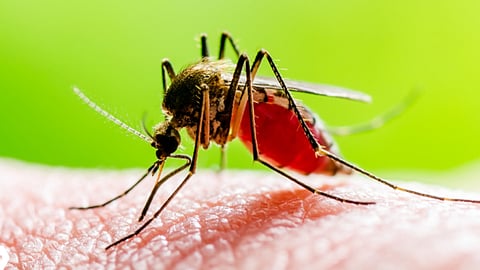
Chikungunya spreads through the bite of infected Aedes mosquitoes, especially Aedes aegypti. These mosquitoes bite mostly during the day. The disease does not spread directly from one person to another.
These mosquitoes breed in clean, stagnant water found in items like old tyres, flower pots, plastic containers, water tanks, and animal water bowl.
Symptoms usually appear between 1 and 12 days after a mosquito bite.
Doctors confirm chikungunya through blood tests. Since its symptoms are similar to dengue, laboratory tests are important, especially in dengue-prone areas.
Anyone can get chikungunya if bitten by an infected mosquito.
There is no vaccine for chikungunya. Prevention depends on avoiding mosquito bites and stopping mosquito breeding. Simple steps include:
Using mosquito repellents
Wearing long-sleeved clothes and full-length pants
Sleeping under mosquito nets if needed
Keeping homes and surroundings free from stagnant water
According to a media reports, Chikungunya was first found in Africa in 1952. In India, the first outbreak was reported in 1963 in Kolkata. After many years, the disease returned in 2005 and spread across South India. Since then, small outbreaks have occurred from time to time in several states.