
- Chennai
- Tamil Nadu
- India
- World
- EntertainmentEntertainment
- Business
- Sports
- Lifestyle
- Technology
- Videos
- Explainers
- Editor's Picks
Chennai
The Opposition was quick to pounce on the August 15 deadline, mentioned in the directive, as a dangerous ploy. The allegation is that the ruling party is using the vaccine programme to insidiously further political capital and offer Prime Minister Modi fodder for a grandiose announcement from the ramparts of Red Fort, come Independence Day.
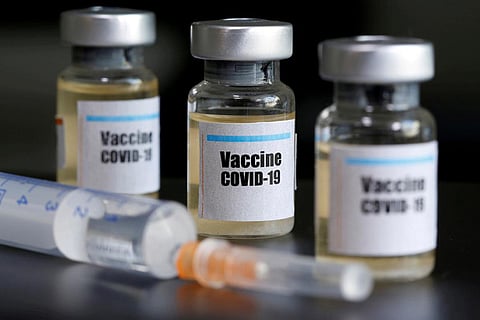
Indian Council of Medical Research, on its part, has since then clarified that the memo was well-intentioned, but has been much misconstrued by parties with dubious agendas. The directive was, it says, merely to cut through the quagmire of red-tapism that typically stymies the progress of projects like this. The letter by ICMR Director-General Balram Bhargava that asked 12 hospitals to expedite clinical trials went on to say that it is envisaged to launch the vaccine for public health use latest by August 15, 2020, after completion of all clinical trials. However, the slender deadline has caused huge consternation in the research community, and the concern is valid. When juxtaposed with global statistics from successful vaccine programmes throughout history, the fastest go-to-market recorded for a vaccine so far is the Mumps vaccine; it took four years! In the case of the COVID-19 vaccine, we undoubtedly have an advantage - just a few weeks after the syndrome was publicly identified, the genetic sequence of SARS-CoV-2 was published. Because of research on the related coronavirus causing SARS, we know about its spike protein and the receptor it targets in the human body. But even with this head-start, the most optimistic estimates peg the time-frame between 12-18 months. Given the complexity of COVID-19, experts say that it is next to impossible to expect a vaccine in 2020.
Human trials are not as simple as just testing the vaccine on infected people. The first stage is to show that the vaccine prevents disease, and to do that, a large group of people must be vaccinated while the virus is actively spreading, to see how many vaccinated versus unvaccinated people develop COVID-19. Furthermore, extensive data needs to be analysed from thousands of healthy volunteers to accurately extrapolate the safety, tolerability, and the typical side-effects of the vaccine on people that straddle a wide demographic. As billions await the vaccine, optimism often careens off into desperation. India itself has breached the 6.7 lakh mark and the need for speed is well understood on all fronts. But is also a time to let good sense prevail and put in place speed-breakers that will prevent us from rushing headlong to an even more unprecedented crisis. We wish our scientific community Godspeed; commend them for the tremendous progress they have made so rapidly. But as things stand now, we are unlikely to celebrate our Independence from COVID-19 in a matter of 6 weeks from now.
Visit news.dtnext.in to explore our interactive epaper!
Download the DT Next app for more exciting features!
Click here for iOS
Click here for Android
