
New York
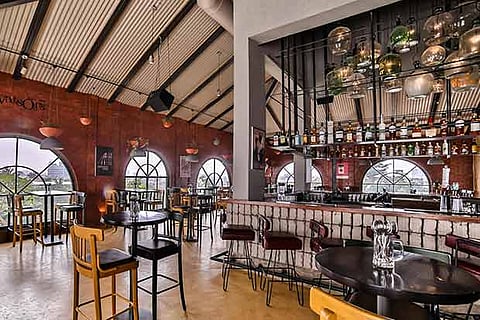
The bill passed by the Senate on Saturday adds money to the Paycheck Protection Program and provides indirect help to small businesses in general through stimulus payments and unemployment benefits. But restaurants got the biggest share of direct help: USD 28.6 billion in grants for restaurants whose revenue fell in 2020 as a result of the pandemic.
The bill calls for grants equal to the amount of restaurants'' revenue losses, up to a maximum of USD 10 million per company and USD 5 million per location. Eligible companies cannot own more than 20 locations, and they can't be publicly traded. The bill sets aside USD 5 billion for the smallest restaurants, those whose annual revenue is USD 500,000 or less.
Industry groups welcomed the grants. The National Restaurant Association, an industry organisation, noted that the Senate added USD 3.6 billion to the USD 25 billion allocated in the original House bill. While the USD 28.6 billion in the bill was only about a tenth of the amount of money the industry has lost during the pandemic, the restaurant group sees it as a win.
“It's going to keep doors open. The smallest and hardest hit are going to get the help they''ve needed the most,” said Sean Kennedy, an executive vice president at the group.
Restaurants were decimated by the pandemic that led to government-ordered shutdowns and that is still keeping many diners away. As of December 1, over 110,000 US restaurants were closed either temporarily or permanently, according to the National Restaurant Association. That's 17 per cent of the number of restaurants in business before the pandemic. In January, industrywide revenue was down more than 16 per cent from a year earlier, the group said.
Small business advocates were pleased with the overall bill, and said the USD 1,400 stimulus payments to individuals and families as well as continued unemployment benefits will give consumers more money they can spend at small businesses.
“Anytime you're putting money in the hands of consumers, regardless of how it gets there, it helps small businesses,” said Keith Hall, president of the National Association for the Self-Employed, noting that Main Street businesses like hair salons will likely benefit.
Congress added more than USD 7 billion to the USD 800 billion allotted to the latest round of the PPP that began January 11. The Small Business Administration has approved about USD 680 billion in loans so far during this round, and a total of USD 1.2 trillion since April.
But small business advocates are concerned because the bill did not extend the program, which is scheduled to end March 31. Congress can still extend the PPP — it previously passed extensions after two earlier rounds of funding ended — but Karen Kerrigan, president of the Small Business & Entrepreneurship Council, called the bill “a missed opportunity” for improvements to small business pandemic relief.
Kerrigan was also concerned because lawmakers didn't increase a USD 150,000 limit on SBA economic injury disaster loans that many companies sought during the virus outbreak.
The bill also includes USD 100 million for SBA-sponsored Small Business Development Centers and other organisations that offer free advice and education to small businesses. It also contains USD 10 billion for the State Small Business Credit Initiative, a program aimed at helping states support lending to small companies.
Kerrigan was optimistic that the bill would have a positive effect on the economy and in turn, small businesses.
“We do anticipate an overall lift that helps to fuel the momentum and confidence that is building on Main Street,” she said. But she warned, rather than spend their stimulus payments, many individuals and families will use the money for savings or pay down debt.
“Therefore, small businesses must continue to compete fiercely for available consumer dollars,” she said.
Visit news.dtnext.in to explore our interactive epaper!
Download the DT Next app for more exciting features!
Click here for iOS
Click here for Android