
- Chennai
- Tamil Nadu
- India
- World
- EntertainmentEntertainment
- Business
- Sports
- Lifestyle
- Technology
- Videos
- Explainers
- Editor's Picks
2025 has shone a spotlight on the contribution of the Indian diaspora to the world. Indian roots have undoubtedly transcended borders. From Sunita Williams' much-celebrated return from space to Sabeer Bhatia's scathing remark on the Indian economy, what does India think of these heroes?
When Kamala Devi Harris was sworn in as the Vice President of the United States, a village 14,000 km away from the Capitol Building in Washington, D.C., celebrated her victory as its own. The residents of Thulasendrapuram village, the hometown of Harris's maternal grandparents, remained glued to the television screens for the polling results and rejoiced in every step of the presidential journey. They even offered special prayers at the temple for her success and claimed her as their own "akka" or "amma". Meanwhile, Sundar Pichai's success story became the dream of every Indian techie, complete with his IIT education, acceptance to Stanford and Wharton and his tenure as the first Indian CEO of Google.
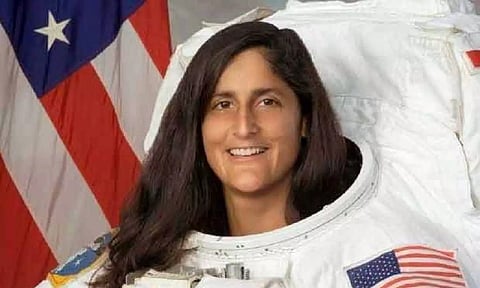
Stories like these serve as a heartwarming connection between Indians and the global stage. Seeing someone who looks like them or talks like them achieve the standard of global excellence ignites countless dreams and possibilities. Indians look at these heroes as their 'sons and daughters'. When Sunita Williams showcased her Indian identity on the International Space Station by bringing samosas and the Bhagavad Gita on board, she authenticated the bond many Indians feel with her, despite being born and having lived in the United States all her life.
Our attachment to these key figures stems from our desire for global recognition. While their stories become a source of pride and inspiration, idolising them must invite deeper questions about whether they are truly ours. Otherwise, their contribution to our country remains merely an illusion.
Adulating Sundar Pichai as a gem from the IITs or a symbol of India's educational prowess takes away from the fact that he is also a prime example of India's brain drain. On the other hand, we cannot criticise those who migrated for better prospects while being oblivious to the reasons why they left. We isolate his India-based education and birth as the sole reason for his achievements, ignoring his education in the US, independent capabilities and more favourable conditions for development in Western countries.
Many Indian-origin heroes overseas use India to demonstrate their connection to culture but fail to show any connection to the country's real problems. When they display an interest in real Indian issues, such as Sabeer Bhatia through his recent comment on X, they are berated for insulting India on a global stage. First, highlighting him as an Indian-origin mastermind and later rebuking his attempt to disillusion Indians with the state of the Indian economic divide showcases clear hypocrisy and obsession with appearances rather than impact.
Does this mean we should cut all connections with them? No, it simply means that we must learn to celebrate their global identity and not just their place of birth or ancestry. Rather than blindly idolising those who use "Indian" as proof of culture and connection, we must demand their stances and evidence of their impact. Further, we must certainly celebrate those who are born, raised, educated and create an impact within our borders. Stories of those who build in India and connect our country to the modern world through real contributions must be prioritised over mere ancestral connections or television appearances. It is important to celebrate even small-scale businesses or achievements to commend those who made the most of their circumstances and gave back to the country.
While we can appreciate them as global symbols, we must strive to cultivate a truly Indian meaning of success. We can only aim to celebrate developments in India when we invest in an ecosystem that fosters Indian astronauts, tech giants and changemakers. When we build icons who want to contribute to India and live in their own country, we do India a greater service.
Rather than idolising those who leave, our country must recognise those who stay — a network of great minds born and grown in India, who contribute to the lives of Indians and show the world Indigenous progress and solidarity.
