
- Chennai
- Tamil Nadu
- India
- World
- EntertainmentEntertainment
- Business
- Sports
- Lifestyle
- Technology
- Videos
- Explainers
- Editor's Picks
NEW DELHI: Indians eat a mind-boggling array of street food.
They nosh on pakoras, or vegetable fritters; jalebis, which are deep-fried coils of fermented batter dunked in sugar syrup; and papdi chaat, a tart and spicy mélange of crunchy fried dough, yoghurt and spices — to name just a few. qz
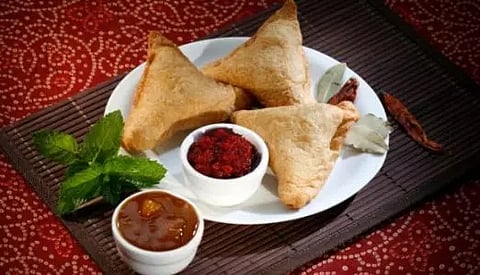
But the king of street food — and one of India’s most famous culinary exports — is the samosa. The deep-fried, plump and triangular piece of flaky dough has crisp edges, encasing a heavily spiced potato stuffing. Usually served with tangy and sweet condiments, they cost as little as 15 cents at food carts or stalls throughout the country.
So, when a recent government advisory listed samosas as things that should be eaten in moderation, there was an unsurprising outcry. Social media erupted with memes, and media chimed in to say the country’s most iconic bites were under attack.
A love of the samosa is “ingrained in us,” said Rana Safvi, a cultural historian. If the government had targeted only burgers or pizza, people wouldn’t have cared, she said. “Samosa is too close to them.”
Some news outlets likened the directive to health warnings on cigarettes.
The actual advisory was considerably milder. The June 21 notice to ministries requested putting up posters in public spaces, such as office cafeterias and meeting rooms, showing the oil and sugar levels in certain foods. In the sample posters, the much-loved samosa was first on the high-fat list. (Jalebis were lower down on the high-sugar poster.)
The daily recommended intake of fats is 27 to 30 grams, and one samosa can contain between 17 and 28 grams, according to the posters (types of fat are not specified).
The government clarified, saying it had not directed vendors to put warning labels on their products. It called the advisory a “behavioural nudge to make people aware of hidden fats and excess sugar” in many types of food. The move was in keeping with Prime Minister Narendra Modi’s campaign to encourage active lifestyles, called Fit India. Earlier this year, Modi used his radio programme to call on people to reduce the amount of oil they consume.
India, of about 1.4 billion people, is expected to have 450 million overweight people by 2050, second only to China, according to a study by The Lancet, a medical journal. The government has identified obesity, which can push up rates of cardiovascular problems, Type 2 diabetes and other diseases, as a major public health challenge.
Street foods such as jalebis, samosas and chole bhature are deep-fried in saturated or partially hydrogenated oils, and often refried in the same oil, which significantly increases trans fatty acid content, said Dr Anoop Misra, an endocrinologist.
Street food lovers are not ignorant of the perils.
On a recent afternoon, Sanjay Kumar, 29, stood by Old Famous Jalebi Wala, a shop that has been in business since 1884, in Delhi’s bustling Chandni Chowk bazaar. He was eating a jalebi topped with rabri, a condensed milk dish. “I know that jalebis increase the weight, but these freshly made ones at the stall are of top quality,” Kumar said.
Dheeraj Sharma, 30, who works for a driving school, said it was a good idea for governments to urge shops to display more information about the foods they sell. But, he added, “this is the fun of life, so why not enjoy?”
