
- Chennai
- Tamil Nadu
- India
- World
- EntertainmentEntertainment
- Business
- Sports
- Lifestyle
- Technology
- Videos
- Explainers
- Editor's Picks
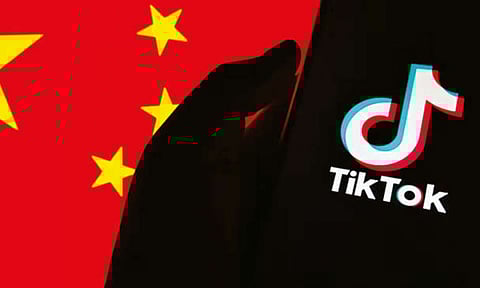
After years of mounting scrutiny over TikTok’s data practices, in 2024, the Chinese video platform was threatened with a forced sale in the US or a nationwide ban. With the deadline looming on June 19, the US-China tech rivalry has entered a new and more aggressive phase. TikTok vowed to fight forced divestment, claiming it would “trample” free speech.
But what started as a controversy over data privacy now has global implications. This conflict is about more than just an app. It represents a shift in the balance of digital power — one that could redefine how nations view national security, economic sovereignty and the internet itself.
In light of my research on AI bias, algorithmic fairness, and the societal impact of digital platforms and my experience advising government on AI regulation and digital ethics, I see TikTok as the flashpoint of a broader, more dangerous trend. Digital spaces are becoming battlefronts for geopolitical influence.
TikTok has evolved from a social media app to – in the eyes of some policymakers – a digital weapon. Its massive global following has made it a cultural juggernaut. But this viral success has also made it a prime target in the escalating US-China tech war.
US politicians worry that its owner, ByteDance, could be forced by the Chinese government to hand over American user data, or manipulate TikTok’s algorithm to serve Beijing’s political agenda.
The concerns are serious, even if not proven. Platforms have been used to sway political sentiment before — as with Facebook in the Cambridge Analytica scandal. But TikTok is different. Its algorithm isn’t like those of other social platforms that rely on a user’s social graph (what you follow, who you know) to connect people, organisations and places.
Instead, TikTok uses a real-time recommendation system based on micro-interactions: how long you watch a video, whether you pause or replay it and even your swipe patterns. The result is an ultra-addictive content stream. This gives TikTok an almost unprecedented power to shape opinions, whether intentionally or not.
There are three potential outcomes for TikTok. The first is a forced sale to a US-based entity, which could satisfy lawmakers but likely provoke severe retaliation from China.
The second is a ban, which may be more symbolic than effective, but would send a strong message. The third, and perhaps most likely, is a long, drawn-out legal battle that results in a stalemate. Trump seems set to extend the June 19 deadline, after all.
But there’s a deeper issue here. The world is becoming increasingly divided along digital lines. The US and China are building rival digital ecosystems, each suspicious of the other’s platforms.
Like past restrictions on Huawei and Nvidia chip exports, this case signals how national security and economic policy are merging in the digital age. This threatens to splinter the internet, with countries choosing sides for their suppliers based on political and economic allegiances rather than technical merit.
For China, TikTok is a symbol of national pride. It’s one of the few Chinese apps to achieve global success and become a household name in western markets. Forcing ByteDance to sell TikTok, or banning it, could be seen as an affront to China’s ambitions on the global digital stage. It’s no longer just about a platform — it’s about control over the future of technology.
TikTok’s defenders argue that banning the app would undermine free speech, stifle creativity and unfairly target a foreign-owned platform. These concerns are valid, but the broader landscape of digital platforms is far from straightforward.
Other platforms have faced criticism over allegations of spreading misinformation, amplifying bias and contributing to social harm. However, the key distinction with TikTok lies in its algorithm and its ability to sway opinions on a global scale.
