
- Chennai
- Tamil Nadu
- India
- World
- EntertainmentEntertainment
- Business
- Sports
- Lifestyle
- Technology
- Videos
- Explainers
- Editor's Picks
As hate speeches continued unabated with impunity, as authorities were not initiating action, a number of concerned citizens began to approach the Supreme Court. The apex court had, in the past, given an important judgment regarding the prevention of hate crimes and registering cases against offenders. But recently, a division bench of the court, though it had reserved orders, indicated that it would close most of the petitions relating to hate speech pending before it since 2021, and added that the petitioners could pursue remedies as per the existing legal provisions. It may be noted that the Centre and a couple of state governments asserted substantial compliance with the court orders.
In the last few years, there has been a spate of hate speeches delivered by several prominent political and religious leaders belonging to the Sangh Parivar. They either had the blessings of the ruling party or at least its tacit approval, due to which authorities would not act against them.
The Supreme Court had to intervene and ordered prompt registration of cases, and threatened the authorities with contempt of court in case they failed to do so. Even after the court’s orders, legal battles had to be waged to make authorities take action. Two things were clear – one, judicial action at the highest level was needed, and two, there is only so much the courts could do.
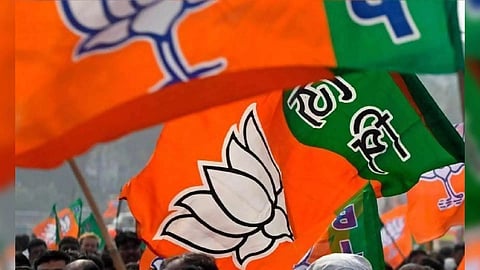
The limitations of the judiciary and other constitutional authorities have to be seen in the context of the problem being more political than a law-and-order one. The BJP and its affiliates thrive on using religion for political ends, and hate speeches are a part of its playbook. When the state machinery realizes that the party in power is an avowed follower of divisive religious ideology, it would be extremely reluctant to initiate action.
In the run-up to elections, the BJP would openly use religious rhetoric in electioneering to queer the pitch for the opposition parties.
The propaganda would range from dog whistles by top leaders to brazen Islamophobic speeches by middle-rung leaders of the BJP and the Sangh Parivar, against which even the Election Commission would not take stern, deterrent action. Authorities use every available loophole in the rule book to let the offenders off the hook.
Hate speeches have serious consequences, as they permeate the rank and file and often create vigilante forces who resort to harassment, attacks and mob lynching of minorities. According to a research group, there has been an increase in hate speech in online and offline spaces over the years, and they spike during elections. Obviously, most of the speeches target the Muslim population.
Hate speech is more rampant in BJP-ruled states due to the inherent permissiveness, which emboldens political and religious leaders to unleash virulent hate speeches.
The BJP either refutes all allegations or argues that they are not due to religious strife, or some rare instance is often blown out of proportion by vested interests. When India expressed concern about attacks on Hindu minorities in Bangladesh, the Yunus government’s defence seemed like it had taken a leaf out of the BJP’s book. Hate speeches and crimes will continue as long as they yield political benefits, which puts the ball in the people’s court.
