
- Chennai
- Tamil Nadu
- India
- World
- EntertainmentEntertainment
- Business
- Sports
- Lifestyle
- Technology
- Videos
- Explainers
- Editor's Picks
Long gestation dream projects are often vulnerable to political changes, especially when they lack bipartisan approval and buy-in. It is often missing in Indian politics, where projects of public interest and importance tend to be projected and perceived as “pet projects” of individual leaders who try to corner the full credit for their execution and leverage it in one-upmanship politics. Projects are downsized, rejigged or shelved midway, causing loss to the exchequer, and sometimes renamed or appropriated.
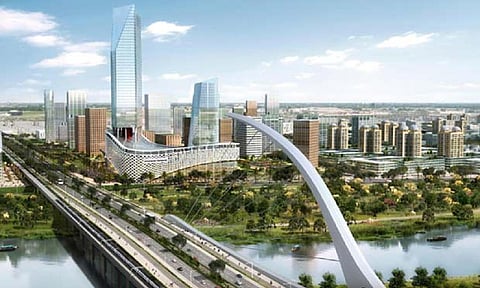
Building a new capital city for the bifurcated Andhra Pradesh at Amaravati was touted as Telugu Desam leader Chandrababu Naidu’s “dream project”. So when the TDP lost elections and YSR Jagan became the chief minister in 2019, he scrapped the project. With the TDP returning to power in 2024 and that too in alliance with the BJP, Chandrababu Naidu has revived the project and got Prime Minister Narendra Modi to relaunch it with fanfare. Having learned the lesson from the past regarding uncertainties due to changes in electoral fortunes, the government is trying to secure the project through an Act of Parliament declaring Amaravati as the capital city. As an NDA ally, TDP might succeed in it.
This time around, Chandrababu Naidu has five years to implement the mammoth project, estimated to cost about Rs 65,000 crore as against the original estimate of Rs 51,000 crore 10 years ago. The big question is, where will the money come from? The major chunk of the funding is from loans that the Centre has facilitated - namely, the Asian Development Bank (ADB) ($788.8 million), the World Bank ($800 million) and the public sector Hudco (Rs 11,000 crore).
The Centre has shelled out only Rs 1,500 crore from its kitty. There’s some merit in the criticism that instead of grants, the project is being financed through loans, which come with conditionalities and a huge interest and repayment burden in the long run.
The Andhra Pradesh government has set a three-year deadline for completing the greenfield project. Supporters of Chandrababu Naidu cite his vision and experience in developing Hyderabad into an IT and financial services hub out of rocky and hilly terrain to argue that he could do it again. The deadline could be quite ambitious given the pace at which projects of that scale are implemented in India, with so many moving parts and the notorious red tape in the labyrinthine corridors of bureaucratic and political power. There are some other related issues, too. The land acquisition has been dogged by controversies and grievances. There are fears that it will lead to a loss of livelihood and transfer of wealth from the farming community to the urban middle and upper middle classes, and of course, the contractors and their political patrons.
It happened in Hyderabad’s HITEC city, say the critics. Secondly, there are apprehensions that in trying to meet the stringent deadlines, processes and quality standards could be compromised.
The project will also have some political implications. The Telugu Desam Party will not rock the NDA boat in the coming years. The BJP, which does not have the clear majority it had in the past, would find it reassuring and feel relatively more secure. This will give the national party more power and room to manoeuvre and even push the envelope with regard to certain contentious issues on which the TDP may have reservations.
