
Chennai
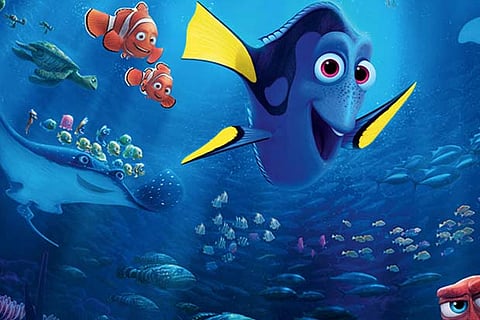
For the past few days Sunshine Aquatics has been receiving several calls enquiring about the ‘Dory Fish’. Popularised by the recent Hollywood movie Finding Dory, the Blue Tang fish or Paracanthurus hepatus, a species of Indo-Pacific surgeonfish, has seen a spike in demand.
“We receive four to five enquiries every day, mothers wanting to please their children by taking home the Dory Fish. But these fish are rare and not successfully bred here. We import them from Singapore, Malaysia and Indonesia. The starting price is Rs 2,500 and the prices increase, depending on the size of the fish. It can go up to Rs 5,000 per fish,” says M. Selvaraj, owner of the store.
Experts feel that since the Blue Tang hasn’t been successfully bred in captivity, the high demand for it will lead to capturing these fish from the wild. The Blue Tang can be found in abundance in the Andaman and Nicobar Islands. Apart from that it can be found in the West Coast, Kerala coast, certain parts of Tamil Nadu and Lakshadweep.
“It is better to leave the Blue Tang in its natural environment, which is the coral reef area. However, the popularity of certain aquatic animals makes them a status symbol of sorts. In the case of the Blue Tang, which is expensive, people want to have it in their aquarium without understanding the repercussions on the environment.
It is best to leave them in their own natural environment,” says Deepak Samuel, scientist and marine expert. Some organisations had also requested people to be sensitive even before the release of the movie. Humane Society International said that it had anticipated an increase in demand for Blue Tangs, just as there was a heightened demand for the Clown Fish after the release of Finding Nemo. “We are getting demands for both Nemo and Dory.
People want both the fish together. Getting them is not easy and we are expecting more orders in the coming days as the movie gains popularity. Maintaining them is another challenge. Tang fish are found in coral reefs and regular aquariums are not suitable to house them,” says a pet-store owner in Aminjikarai.
Visit news.dtnext.in to explore our interactive epaper!
Download the DT Next app for more exciting features!
Click here for iOS
Click here for Android